8600 Harford Rd, Parkville, MD 21234

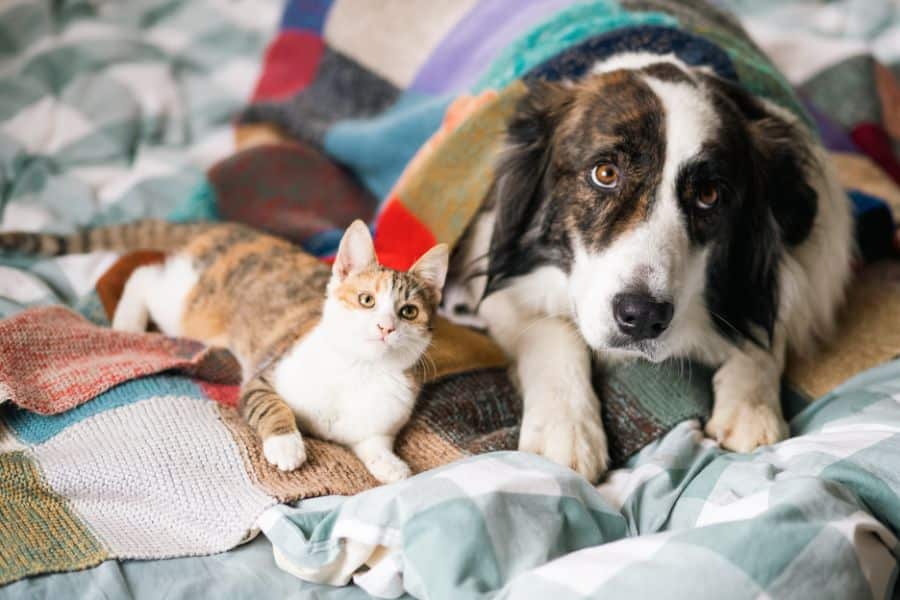
Coming home to scratched doors, chewed furniture, nonstop barking, or a frightened cat hiding for hours can leave any pet owner worried. Separation anxiety in dogs and cats is more than bad behavior. It is a stress-related condition that can affect your pet’s emotional and physical well-being. At Parkville Animal Hospital, many families are surprised to learn that anxiety often has medical or behavioral causes that deserve professional attention. Knowing what signs to watch for and seeking help early can make a big difference. This guide explains why separation anxiety develops, how veterinarians diagnose it, and what treatment options may help your pet feel more secure.
What Is Separation Anxiety in Dogs and Cats
Separation anxiety in dogs and cats happens when a pet becomes distressed after being separated from a favorite person or left alone. While dogs often show obvious signs, cats may display quieter behaviors that owners easily overlook.
This condition is different from simple boredom or occasional whining. Pets with true separation anxiety experience significant emotional stress that may worsen over time without treatment.
Common behaviors include:
- Barking, whining, or howling
- Scratching doors or windows
- Destructive chewing
- House soiling despite previous training
- Pacing
- Excessive drooling
- Trying to escape
- Refusing food when left alone
- Hiding for long periods in cats
- Excessive grooming in cats
Some pets begin showing these behaviors within minutes after their owner leaves. Others become anxious as soon as they notice departure routines like picking up keys or putting on shoes.
What Causes Separation Anxiety
Several factors can contribute to separation anxiety. Sometimes no single cause exists. Instead, multiple changes combine to increase your pet’s stress.
Common causes include:
- Changes in daily routine
- Moving to a new home
- Adoption from a shelter
- Loss of another pet
- Loss of a family member
- Spending more time alone after owners return to work
- Previous traumatic experiences
- Aging-related cognitive changes
Certain pets naturally become more attached to one person than others. That attachment alone does not cause anxiety, but sudden separation may trigger emotional distress.
Medical problems can also mimic anxiety. Pain, vision loss, hearing loss, urinary disease, or cognitive decline may contribute to unusual behaviors. That is why veterinary evaluation remains an important first step before assuming behavior alone is responsible.
Signs a Veterinarian Should Evaluate Your Pet
Many owners believe destructive behavior means their pet needs better training. While training often helps, medical evaluation is equally important because several health conditions can produce similar signs.
Your veterinarian may recommend an examination if your pet shows:
- Sudden destructive behavior
- New accidents inside the house
- Excessive vocalization
- Persistent pacing
- Self-injury from scratching or chewing
- Appetite changes
- Weight loss
- Sleep disturbances
- Extreme clinginess
- Anxiety that continues despite routine changes
For example, an eight-year-old mixed breed dog began destroying door frames every weekday after family returned to office work. Physical examination ruled out pain and other medical concerns. Behavioral assessment suggested separation anxiety triggered by sudden routine changes. After creating a structured behavior plan with environmental enrichment and follow-up monitoring, the dog gradually became calmer during time alone. This example reflects a common clinical situation rather than a specific patient.
Early diagnosis often prevents anxiety from becoming more severe and helps pets adjust more successfully over time.
How Veterinarians Treat Separation Anxiety
Treatment depends on severity, your pet’s medical history, and home environment. Most pets benefit from combining behavior modification with environmental changes instead of relying on one solution.
Your veterinarian may recommend:
- Consistent daily routine
- Gradual desensitization to departures
- Interactive food puzzles and enrichment toys
- Safe resting area
- Increased physical exercise for dogs
- More climbing, hiding, and play opportunities for cats
- Behavior modification plan
- Referral to a veterinary behavior specialist when needed
- Anti-anxiety medication for severe cases when appropriate
Improvement usually takes time. Many pets respond over several weeks or months with consistent routines and owner commitment. Skipping steps or expecting immediate results often slows progress.
What Pet Owners Can Do at Home
Small daily changes often support professional treatment and help reduce anxiety triggers.
Helpful strategies include:
- Keep departures and arrivals calm
- Avoid punishing anxious behavior
- Leave safe enrichment activities before leaving home
- Maintain predictable feeding and exercise schedules
- Practice short departures before longer absences
- Give pets comfortable resting spaces
- Reward calm behavior
Avoid forcing anxious pets into stressful situations. Punishment increases fear and may worsen destructive behaviors.
If your pet suddenly develops anxiety after years of calm behavior, schedule a veterinary examination instead of assuming behavior alone is responsible.
When Should You Schedule Veterinary Care
Occasional barking or hiding does not always indicate separation anxiety. Persistent or worsening behaviors deserve medical attention.
Contact your veterinarian if your pet:
- Injures itself while trying to escape
- Stops eating when left alone
- Damages doors or windows repeatedly
- Shows severe panic before departures
- Develops new house soiling
- Becomes aggressive during departures
- Experiences sudden behavior changes later in life
Early intervention by veterinarians in Baltimore often shortens recovery time and improves long-term success.
Conclusion
Separation anxiety in dogs and cats can affect both emotional health and overall well-being. Recognizing warning signs early, ruling out medical conditions, and following a personalized treatment plan give many pets an excellent chance to improve. At Parkville Animal Hospital in Baltimore and its surrounding location, Parkville, MD, veterinary evaluation helps determine whether anxiety, illness, or both contribute to your pet’s behavior. If your dog or cat struggles when left alone, schedule an appointment to discuss practical solutions that support a calmer, happier life.
FAQs
Q1: Can cats develop separation anxiety like dogs?
Ans: Yes. Cats can become anxious when separated from family members. Signs may include excessive grooming, hiding, unusual vocalization, reduced appetite, or changes in litter box habits.
Q2: What causes separation anxiety in pets?
Ans: Common causes include routine changes, moving, adoption, loss of a companion, spending more time alone, and age-related cognitive changes. Some medical conditions may also contribute to similar behaviors.
Q3: Can separation anxiety be cured?
Ans: Many pets improve significantly with behavior modification, environmental management, and veterinary guidance. Progress often takes time and depends on consistency.
Q4: Should I ignore my pet when leaving home?
Ans: Calm, low-key departures usually work better than emotional goodbyes. Your veterinarian can recommend behavior strategies tailored to your pet’s specific needs.
Q5: When should I take my pet to the veterinarian for separation anxiety?
Ans: Schedule an examination if anxiety becomes severe, causes self-injury or property destruction, leads to appetite changes, or appears suddenly after years of normal behavior. Early evaluation helps identify both behavioral and medical causes.