8600 Harford Rd, Parkville, MD 21234

Training a dog can be exciting, but it can also feel challenging when your dog does not respond the way you expected. Some breeds tend to learn commands quickly, while others may be more independent, easily distracted, or less motivated by traditional training methods. However, breed alone does not determine whether a dog will become well trained. Age, personality, socialization, environment, motivation, and the owner’s approach all play important roles. At Parkville Animal Hospital, Baltimore, MD, veterinary professionals understand that every dog has individual needs. This guide explains the easiest and hardest dog breeds to train, what traits influence trainability, and how owners can make training more successful.
Which Dog Breeds Are Easiest and Hardest to Train?
Some dog breeds are generally easier to train because they are eager to work with people, highly motivated, and quick to learn. Other breeds may be more independent, stubborn, easily distracted, or bred for tasks that required them to work without constant human direction. That does not mean a “hard-to-train” dog is unintelligent. In many cases, the dog simply needs a different training approach.
Breed traits that can influence training include:
- Motivation: How strongly the dog responds to food, toys, praise, or play.
- Independence: Whether the dog prefers making its own decisions.
- Focus: How easily the dog can concentrate around distractions.
- Energy level: How much physical and mental activity the dog needs.
- Work drive: How naturally the breed enjoys learning and completing tasks.
- Sensitivity: How strongly the dog responds to correction, tone, or environmental changes.
Understanding these traits can help you choose realistic training goals and avoid unfair expectations.
What Makes Some Dogs Easier to Train?
Dogs that are highly responsive to their owners often learn commands quickly. Breeds developed to work closely with people may be particularly responsive to structured training. They may enjoy learning new behaviors and repeating tasks when training is engaging.
Traits often associated with easier training include:
| Trait | How It Can Help |
| High motivation | Encourages participation |
| Strong focus | Makes learning easier |
| Eagerness to work | Supports repeated practice |
| Social nature | Encourages interaction with the owner |
| Quick response | Helps reinforce behaviors promptly |
| Adaptability | Makes new situations easier to handle |
Still, an easy-to-train breed can develop unwanted behaviors without proper exercise, socialization, and consistent training.
5 Dog Breeds Often Considered Easier to Train
Breed tendencies vary between individual dogs, but several breeds are widely recognized for their responsiveness and willingness to learn.
1. Border Collie
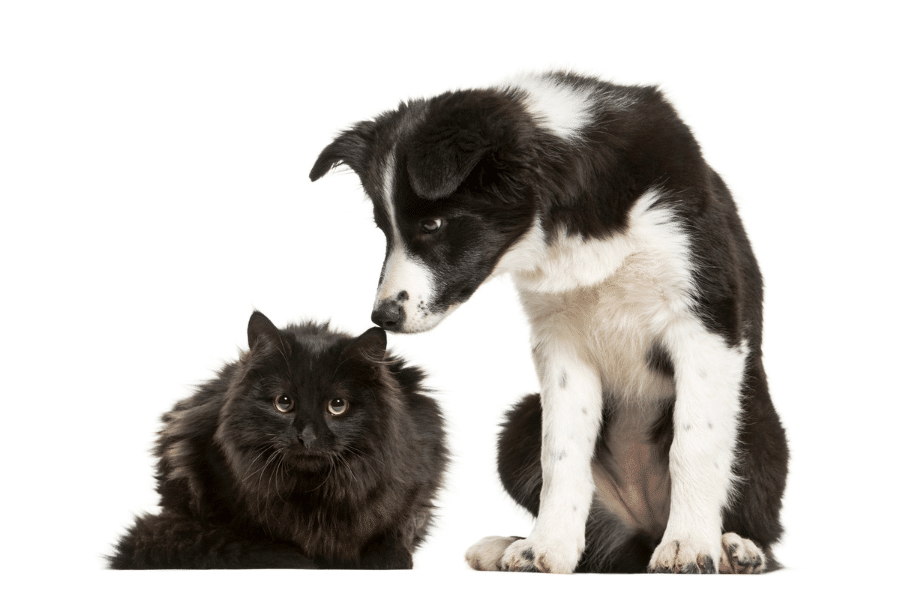
Border Collies are known for their intelligence, focus, and strong working drive.
They often enjoy learning complex behaviors and need plenty of mental stimulation.
Their intelligence can also become challenging if they become bored.
2. Poodle
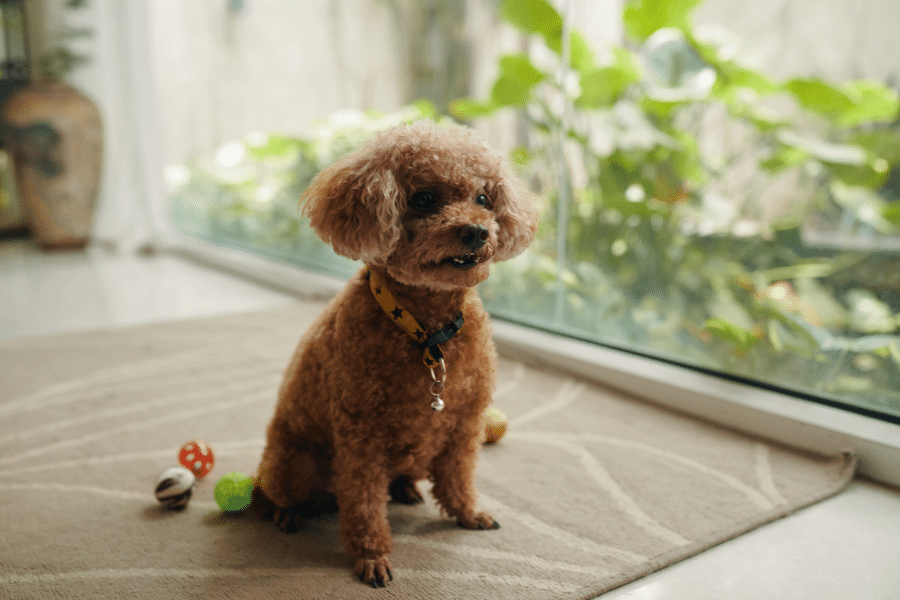
Poodles are intelligent and often highly responsive to training.
They can learn a wide range of commands and activities when training is consistent and engaging.
Their mental needs should not be overlooked simply because they are considered highly trainable.
3. Golden Retriever
Golden Retrievers are often eager to interact with people and respond well to positive reinforcement.
Their social nature can make training enjoyable, especially when owners use food rewards, praise, play, and repetition.
4. Labrador Retriever
Labrador Retrievers are commonly motivated by food, play, and interaction.
Their enthusiasm can make training easier, although young Labradors may be energetic and easily distracted.
5. German Shepherd
German Shepherds are known for their working ability, focus, and willingness to learn. They often respond well to structured training when owners provide clear expectations and consistent reinforcement. This is because they are active and intelligent, they also need adequate physical and mental stimulation.
What Makes Some Dogs More Challenging to Train?
Dogs considered harder to train are not necessarily less intelligent. Some breeds were developed for independent work, hunting, guarding, or decision-making. Those traits can make them less likely to follow a command simply because an owner asks.
Common challenges include:
- Independent personality
- Strong prey drive
- High energy
- Short attention span
- Low interest in repetitive exercises
- Strong environmental distractions
- Sensitivity to unfamiliar situations
For these dogs, owners may need to make training more rewarding and keep sessions short.
5 Dog Breeds Often Considered More Challenging to Train
Every dog is an individual, but certain breeds are often described as more independent or challenging during training.
1. Afghan Hound
Afghan Hounds are known for their independent nature.
They may not respond to repetitive commands simply because they are asked to do so. Training often works better when owners use patience, variety, and strong motivation.
2. Beagle
Beagles can be enthusiastic, curious, and strongly motivated by scents.
Once a Beagle catches an interesting smell, maintaining focus can become difficult.
Short sessions and high-value rewards may help.
3. Siberian Husky
Siberian Huskies are intelligent and energetic, but they can also be independent.
They may become bored with repetitive exercises and may need plenty of physical activity alongside mental stimulation.
4. Chow Chow
Chow Chows can be independent and reserved.
They may not respond well to harsh training methods and often benefit from calm, consistent instruction and early socialization.
5. Dachshund
Dachshunds are clever but can be persistent and independent.
Their original working purpose required determination, which can sometimes appear as stubbornness during obedience training.
Does Breed Determine How Well a Dog Can Be Trained?
No, breed is only one factor in trainability. Two dogs from the same breed can have very different personalities. One may eagerly respond to every command, while another may be more cautious or independent.
Other factors include:
- Age
- Previous training
- Socialization
- Health
- Anxiety or fear
- Motivation
- Living environment
- Owner consistency
- Training experience
This is why labeling a dog as “untrainable” is rarely helpful.
A dog that struggles with one training method may respond very well to another.
How Does Positive Reinforcement Help With Dog Training?
Positive reinforcement means rewarding a behavior you want your dog to repeat.
The reward might be a small treat, praise, a favorite toy, or access to something the dog enjoys.
A simple training sequence looks like this:
- Give a clear cue.
- Your dog performs the desired behavior.
- Reward the behavior immediately.
- Repeat consistently.
- Gradually practice around distractions.
For example, if you are teaching “sit,” reward your dog immediately after they sit. With repetition, your dog learns that sitting when asked leads to something positive.
Avoiding harsh punishment is especially important because fear and confusion can interfere with learning and damage trust.
Why Are Some Intelligent Dogs Still Difficult to Train?
Intelligence does not always equal obedience.
A highly intelligent dog may understand what you want but decide that another behavior is more rewarding.
For example, a scent-driven dog may know the “come” command but become focused on an interesting smell outdoors. This is why trainability and intelligence are not exactly the same thing. A successful training plan considers what motivates your individual dog.
How Can You Make Training Easier?
Regardless of breed, consistency can make a major difference.
Try these practical strategies:
- Keep training sessions short.
- Practice every day.
- Use rewards your dog values.
- Start in a quiet environment.
- Add distractions gradually.
- Use the same commands consistently.
- Reward desired behavior quickly.
- Give your dog enough physical activity.
- Provide mental enrichment.
- End sessions on a positive note.
If your dog becomes frustrated or loses focus, take a break instead of continuing until they become overwhelmed.
Why Does Exercise Matter During Training?
A dog with excess energy may struggle to focus.
That does not mean you should exhaust your dog before every training session. Instead, provide an appropriate balance of physical activity and mental stimulation.
Depending on your dog’s needs, enrichment may include:
- Walks
- Sniffing activities
- Puzzle toys
- Short obedience sessions
- Interactive play
- Safe exploration
- Food-based enrichment
Breed tendencies can help guide these activities, but your dog’s individual energy level matters too.
How Can Health Problems Affect Training?
Sometimes a sudden training problem is not a behavior problem at all. Pain, illness, hearing changes, vision problems, anxiety, or other health concerns can affect how a dog responds to commands.
Contact your veterinarian if you notice:
- Sudden behavior changes
- New aggression
- Unusual fear
- Difficulty hearing commands
- Reduced activity
- Signs of pain
- Sudden house-soiling
- Confusion
- Significant changes in appetite or sleep
A dog that previously responded well to training but suddenly stops may need a health evaluation.
Hypothetical Example: A Dog That Suddenly Stops Following Commands
Imagine a seven-year-old Labrador named Max who has always responded reliably to basic commands. His owner notices that Max recently seems distracted, avoids certain movements, and no longer responds consistently during training.
Instead of assuming Max has become stubborn, the owner schedules a veterinary visit. The veterinarian identifies signs that warrant further evaluation for an underlying health concern.
This hypothetical example shows why sudden changes in behavior should not automatically be blamed on personality or training.
How Should You Choose a Dog Based on Trainability?
If you are considering getting a dog, trainability can be one factor to consider, but it should not be the only one.
Think about:
- Your available time
- Exercise commitment
- Living environment
- Experience with dogs
- Desired activity level
- Grooming needs
- Socialization requirements
- Training expectations
A highly trainable working breed may still be a poor fit for an owner who cannot provide enough mental and physical activity. Likewise, a more independent breed may be a wonderful companion for someone who understands its needs and enjoys patient training.
Conclusion
The easiest and hardest dog breeds to train can vary depending on the individual dog, but breed traits can provide useful clues about what training may require. Border Collies, Poodles, Golden Retrievers, Labrador Retrievers, and German Shepherds are often highly responsive to structured training. Afghan Hounds, Beagles, Siberian Huskies, Chow Chows, and Dachshunds may require more patience because of independent, scent-driven, or persistent traits. However, breed does not determine a dog’s potential. Consistency, positive reinforcement, exercise, socialization, and an understanding of your dog’s personality all matter. If you want any advice regarding dog breeds and want to consult a veterinarian near you then Parkville Animal Hospital in Baltimore, MD can also help identify health concerns and dog behavior of various breeds.
FAQs
Q1: What are the easiest dog breeds to train?
A: Border Collies, Poodles, Golden Retrievers, Labrador Retrievers, and German Shepherds are often considered highly trainable. Individual personality, motivation, age, and training experience still make a major difference.
Q2: What are some of the hardest dog breeds to train?
A: Afghan Hounds, Beagles, Siberian Huskies, Chow Chows, and Dachshunds are often considered more challenging because of traits such as independence, strong scent drive, persistence, or lower interest in repetitive commands.
Q3: Does having an intelligent dog mean it will be easy to train?
A: Not necessarily. Intelligence and trainability are different traits. An intelligent dog may understand a command but choose not to follow it if another activity is more rewarding.
Q4: How can I train a stubborn dog more effectively?
A: Use short, consistent training sessions and rewards your dog values. Reduce distractions initially, reinforce desired behaviors immediately, and gradually increase the difficulty as your dog improves.
Q5: When should I contact a veterinarian about my dog’s behavior?
A: Contact your veterinarian if your dog’s behavior changes suddenly or if training problems occur alongside pain, reduced activity, fear, aggression, confusion, appetite changes, or other unusual symptoms. A health problem can sometimes affect behavior and responsiveness.