8600 Harford Rd, Parkville, MD 21234

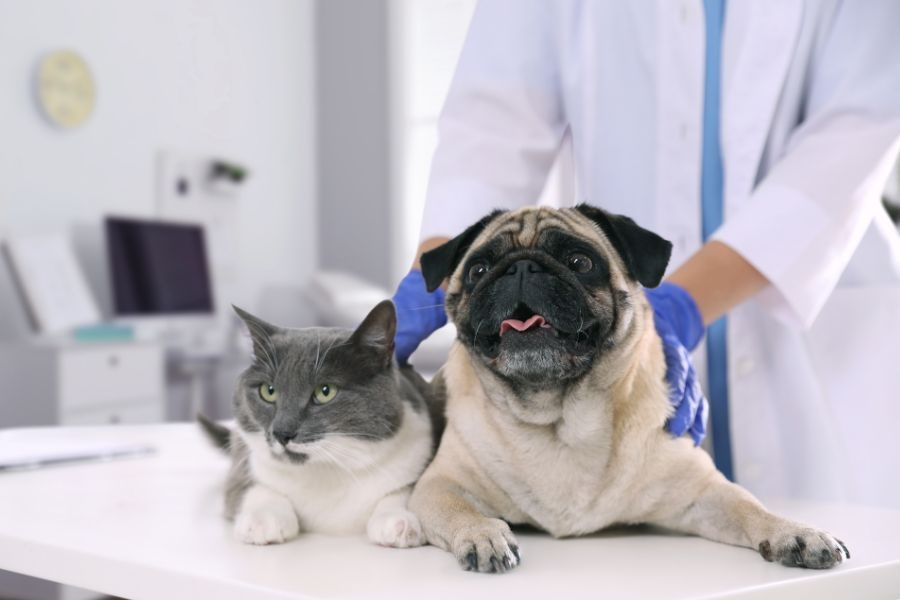
Many pet owners only schedule vet visits when their dog or cat seems sick, but routine veterinary care is one of the most important parts of keeping pets healthy long term. Regular checkups help catch medical issues early, keep vaccinations current, monitor weight and dental health, and improve your pet’s quality of life.
In this guide, you’ll learn how often pets should see a vet based on age, lifestyle, and health needs. We’ll also cover warning signs that mean your pet may need an appointment sooner and what to expect during routine wellness exams.
Why Regular Vet Visits Matter?
Pets age faster than humans, which means health problems can develop quickly between appointments. A yearly or twice-yearly visit allows your veterinarian to monitor changes before they become serious.
Routine veterinary care helps with:
- Early detection of illness
- Vaccination updates
- Parasite prevention
- Dental care
- Weight management
- Nutrition guidance
- Behavioral concerns
- Senior pet monitoring
Many conditions, like kidney disease, arthritis, diabetes, and dental disease, can progress silently. Regular exams often catch these issues before symptoms become obvious.
How Often Should Puppies and Kittens Go to the Vet?
Young pets require the most frequent veterinary visits during their first year of life.
Puppies
Puppies generally need vet visits every 3 to 4 weeks starting around 6 to 8 weeks of age until about 16 weeks old.
These visits typically include:
- Core vaccinations
- Deworming
- Flea and tick prevention
- Growth monitoring
- Nutritional advice
- Behavioral guidance
Your veterinarian may also discuss spaying or neutering and microchipping during this stage.
Kittens
Kittens follow a similar schedule and usually visit the vet every few weeks until approximately 4 months old.
Routine kitten care includes:
- Vaccinations
- Parasite screening
- FeLV/FIV testing
- Nutrition recommendations
- Socialization advice
Frequent visits during early life help build a strong foundation for lifelong health.
How Often Should Adult Dogs and Cats See a Vet?
Healthy adult pets generally need a wellness exam once a year. However, some pets may benefit from more frequent visits depending on breed, lifestyle, or medical history.
Annual Wellness Exams
A yearly vet visit allows your veterinarian to:
- Perform a full physical exam
- Update vaccines
- Run preventive lab work
- Check teeth and gums
- Assess weight and body condition
- Discuss diet and exercise
Even indoor cats should receive annual veterinary care. Indoor pets can still develop health issues such as obesity, urinary problems, or dental disease.
Pets That May Need More Frequent Visits
Some dogs and cats should see the vet every 6 months, including:
- Pets with chronic illnesses
- Overweight pets
- Brachycephalic breeds
- Pets taking long-term medications
- Highly active dogs
- Pets with allergies or skin conditions
Your veterinarian can recommend the right schedule based on your pet’s individual needs.
Senior Pets Need More Frequent Monitoring
Senior pets age more rapidly, and health changes can happen within months rather than years.
When Is a Pet Considered Senior?
While it varies by breed and size:
- Most dogs become seniors around 7 years old
- Large dog breeds may age earlier
- Cats are typically considered senior around 10 years old
Recommended Vet Schedule for Senior Pets
Most senior pets should see the vet every 6 months.
These visits often include:
- Blood work
- Urinalysis
- Blood pressure checks
- Mobility evaluations
- Arthritis screening
- Cognitive health monitoring
Semiannual exams help identify age-related diseases early, when treatment is often more manageable and effective.
Signs Your Pet Should See a Vet Sooner
You should not wait for an annual checkup if your pet shows unusual symptoms.
Common Warning Signs in Dogs and Cats
Watch for:
- Vomiting or diarrhea lasting more than 24 hours
- Sudden weight loss or gain
- Increased thirst or urination
- Limping or difficulty standing
- Bad breath or difficulty eating
- Persistent scratching or hair loss
- Changes in behavior
- Coughing or breathing issues
- Loss of appetite
- Lethargy
Cats especially tend to hide illness, so subtle changes can be important.
What Happens During a Routine Vet Visit?
Many pet owners wonder what actually happens during a wellness exam.
A typical visit may include:
- Weight and vital sign checks
- Physical examination
- Dental evaluation
- Vaccine review
- Parasite prevention discussion
- Nutrition and lifestyle counseling
- Diagnostic testing, if needed
Routine blood work is becoming increasingly common, especially for adult and senior pets. These tests can reveal hidden problems before symptoms appear.
How Preventive Care Saves Money?
Some pet owners delay vet visits because they worry about cost. However, preventive care is usually far less expensive than emergency treatment.
For example:
- Treating early dental disease costs less than advanced dental surgery
- Detecting diabetes early reduces complication risks
- Preventive parasite medications help avoid expensive illnesses
Routine veterinary care can reduce long-term medical costs while improving your pet’s overall health.
Do Indoor Pets Really Need Regular Vet Visits?
Yes, absolutely.
Indoor pets are still at risk for many health conditions, including:
- Obesity
- Dental disease
- Arthritis
- Heart disease
- Kidney disease
- Diabetes
Indoor cats, in particular, often go years without veterinary care because owners assume they are safe from illness. Unfortunately, many conditions progress unnoticed until they become severe.
Tips for Making Vet Visits Less Stressful
Some pets become anxious during veterinary appointments, but there are ways to make visits easier.
For Dogs
- Bring treats and favorite toys
- Take a short walk before the appointment
- Practice car rides regularly
- Stay calm and positive
For Cats
- Leave the carrier out at home year-round
- Use calming pheromone sprays
- Cover the carrier with a towel
- Avoid loud environments
Fear-free veterinary techniques are also becoming more common and can significantly reduce stress for pets.
How to Build the Right Vet Schedule for Your Pet?
There is no one-size-fits-all answer for how often a pet should see a vet. Age, breed, lifestyle, and health history all play a role.
A good general guideline is:
- Puppies and kittens: Every few weeks during the first year
- Healthy adults: Once yearly
- Senior pets: Every 6 months
- Pets with health conditions: As recommended by your veterinarian
Staying consistent with preventive care helps your pet live a longer, healthier, and more comfortable life.
Conclusion
Regular veterinary visits are one of the best ways to protect your dog or cat’s long-term health. Even if your pet appears healthy, routine wellness exams can detect problems early, support preventive care, and improve overall quality of life.
If your pet is due for a checkup or you have concerns about their health, schedule an appointment with Parkville Animal Hospital in Baltimore, MD to create a personalized wellness plan for your furry companion.
FAQs
Q1: How often should a healthy dog go to the vet?
Ans: Healthy adult dogs should typically visit the vet once a year for a wellness exam, vaccinations, and preventive care.
Q2: How often should indoor cats see a vet?
Ans: Indoor cats should still have annual vet visits because they can develop medical conditions like obesity, kidney disease, and dental problems.
Q3: Do senior pets need more frequent vet visits?
Ans: Yes, senior dogs and cats should usually see the vet every 6 months for closer monitoring and early disease detection.
Q4: What happens during a routine pet wellness exam?
Ans: A routine exam usually includes a physical checkup, weight assessment, vaccine review, dental evaluation, and preventive health recommendations.
Q5: When should I take my pet to the vet immediately?
Ans: You should contact a vet right away if your pet has trouble breathing, severe vomiting, loss of appetite, sudden lethargy, or major behavioral changes.