8600 Harford Rd, Parkville, MD 21234


As pets grow older, small health changes can happen slowly and stay hidden until they become serious. Senior pet wellness exams help find those changes early, often before your dog or cat shows obvious signs of illness. At Parkville Animal Hospital in Parkville, MD, older pets receive more detailed evaluations than younger adults because aging affects nearly every body system. Regular checkups remain important, but senior visits focus on detecting age-related problems sooner and keeping your companion comfortable for as long as possible. This guide explains what makes senior wellness exams different, what your veterinarian looks for, and how these visits support long-term health.
Why Do Senior Pet Wellness Exams Include More Than Regular Checkups
Senior pet wellness exams go beyond routine physical exams because older pets face a higher risk of chronic diseases. As dogs and cats age, changes in organs, joints, vision, hearing, and metabolism become more common. Finding these issues early often leads to better treatment options and a better quality of life.
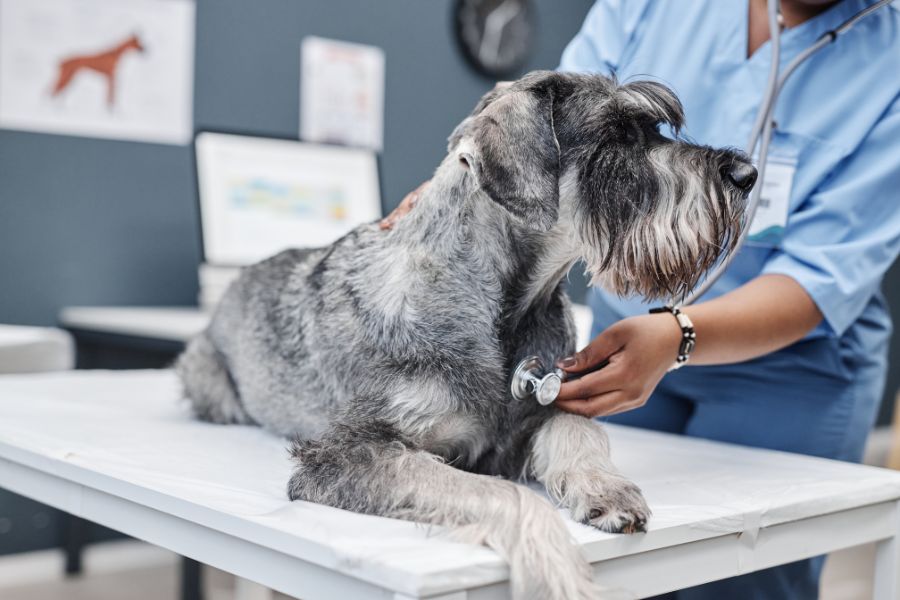
During a senior visit, your veterinarian evaluates your pet from nose to tail while looking for subtle changes that may not be noticeable at home. These exams also help establish health trends over time rather than relying on a single visit.
A senior wellness exam may include:
- Complete physical examination
- Weight and body condition evaluation
- Mobility and joint assessment
- Heart and lung evaluation
- Eye and ear examination
- Dental health assessment
- Discussion about appetite, behavior, and activity
- Laboratory testing when appropriate
Instead of treating disease after symptoms appear, these visits focus on preventing problems or catching them during their earliest stages.
What Changes Do Veterinarians Look for
Aging affects every pet differently. Some stay active well into their senior years, while others develop health problems gradually. Senior pet wellness exams focus on identifying these subtle changes before they become emergencies.
Your veterinarian may pay close attention to:
- Weight loss or unexpected weight gain
- Muscle loss
- Joint stiffness or arthritis
- Changes in vision or hearing
- Heart murmurs or irregular rhythms
- Dental disease
- Skin lumps or growths
- Changes in hydration
- Memory or behavior changes
Older pets often hide discomfort. A dog may simply stop jumping into the car, or a cat may sleep more than usual. Many owners assume these changes are normal aging, but they can signal treatable medical conditions.
Because these signs develop slowly, comparing findings from one exam to another gives your veterinarian valuable information about your pet’s health over time.
How Vets Diagnose Age-Related Health Problems
A physical exam provides only part of the picture. Internal diseases often begin long before obvious symptoms appear. That is why senior visits commonly include additional screening tests based on your pet’s age, breed, lifestyle, and medical history.
Your veterinarian may recommend:
- Blood work
- Urinalysis
- Blood pressure measurement
- Fecal testing
- Imaging such as X-rays or ultrasound when needed
- Joint evaluations
- Dental examination
For example, an older Labrador arrived for a routine wellness visit with no major complaints other than slowing down during walks. Physical examination found mild joint stiffness, while routine laboratory testing showed early kidney changes that had not caused visible symptoms. A personalized treatment plan, dietary adjustments, pain management, and regular monitoring helped the dog remain comfortable and active for many more years. This example reflects a common senior care scenario rather than a specific patient.
Finding disease early often means treatment can begin before permanent damage develops.
What Pet Owners Can Do Between Senior Wellness Visits
Regular veterinary visits to your Parkville veterinarian work best when combined with careful observation at home. You know your pet’s normal habits better than anyone else, making you the first person likely to notice small changes.
Watch for:
- Drinking more or less water
- Appetite changes
- Difficulty standing
- Limping
- Weight changes
- Bad breath
- Confusion
- Sleeping much more than usual
- New lumps
- Bathroom habit changes
Keep a notebook or phone log if something changes. Recording when symptoms begin, how often they occur, and whether they improve helps your veterinarian identify patterns more quickly.
Daily exercise, balanced nutrition, mental enrichment, and maintaining a healthy weight also help many senior pets stay active longer.
When Should Older Pets Have Wellness Exams
Most healthy adult pets benefit from yearly wellness visits. Senior pets often benefit from exams every six months because health changes can occur much faster during later life.
Schedule an appointment promptly if your senior pet develops:
- Difficulty breathing
- Refuses food for more than one day
- Sudden weakness
- Trouble walking
- Frequent vomiting or diarrhea
- Collapse
- Difficulty urinating
- Sudden behavior changes
- Rapid weight loss
Waiting for symptoms to become severe can make treatment more difficult. Early evaluation often leads to better outcomes and fewer complications.
Conclusion
Growing older does not automatically mean poor health. Many dogs and cats enjoy active, comfortable senior years when age-related changes are found early. Senior pet wellness exams provide more detailed evaluations than regular checkups because they focus on detecting problems before they become serious. At Parkville Animal Hospital in Parkville and its surrounding locations like Baltimore, MD, regular senior wellness visits help protect your pet’s health, comfort, and quality of life. If your companion has entered their senior years, schedule a wellness exam and give them the proactive care they deserve.
FAQs
Q1: What age is considered senior for dogs and cats?
Ans: It depends on your pet’s breed and size. Many cats and small dogs are considered seniors around seven to ten years of age, while larger dog breeds may become seniors earlier.
Q2: Why are senior pet wellness exams more detailed than regular checkups?
Ans: Older pets have a higher risk of chronic diseases that may not show obvious symptoms. Extra screening helps identify health changes before they become more serious.
Q3: What tests are commonly included during senior pet wellness exams?
Ans: Depending on your pet’s needs, your veterinarian may recommend blood work, urinalysis, blood pressure checks, imaging, and other screening tests alongside a complete physical examination.
Q4: How often should senior pets have wellness exams?
Ans: Many veterinarians recommend visits every six months for senior pets because health conditions can develop more quickly with age.
Q5: Can senior pets still live healthy, active lives?
Ans: Yes. Early detection, regular veterinary care, proper nutrition, healthy weight management, and prompt treatment of medical conditions can help many senior pets enjoy excellent quality of life for years.