8600 Harford Rd, Parkville, MD 21234

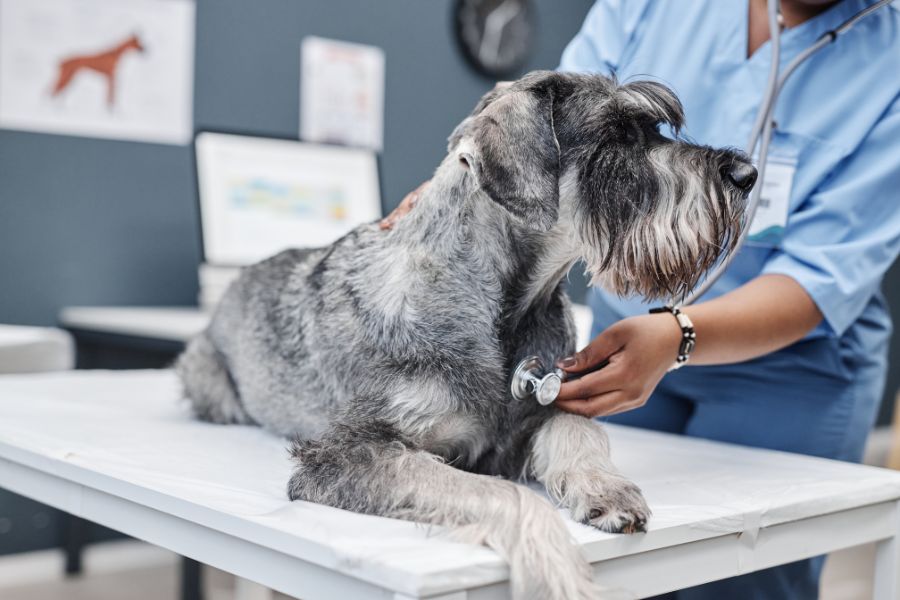
As pets grow older, subtle changes in their behavior and health can signal the start of age-related conditions. Recognizing the early warning signs of aging in dogs and cats can help pet owners take action before small issues become serious health concerns. In this guide, we’ll cover the most common signs of aging, what they may mean, and how regular veterinary care can help your pet stay comfortable and healthy for years to come.
What Happens as Pets Age?
Just like people, dogs and cats go through physical and mental changes as they age. Senior pets may move more slowly, sleep more often, or develop chronic health conditions over time. While some changes are a normal part of aging, others may point to underlying problems that require veterinary attention.
Most dogs and cats are considered seniors around 7 years of age, though larger dog breeds often age faster. Paying close attention to changes in your pet’s daily habits is one of the best ways to catch health problems early.
1. Changes in Mobility or Stiffness
One of the most common early warning signs of aging in dogs and cats is difficulty moving around comfortably. You may notice your pet:
- Hesitating to jump on furniture
- Struggling with stairs
- Limping after exercise
- Moving slower than usual
- Sleeping more often
These symptoms are often linked to arthritis or joint disease, which become more common in senior pets.
How You Can Help
- Provide soft bedding
- Use pet ramps or stairs
- Maintain a healthy weight
- Schedule regular wellness exams
- Ask your veterinarian about joint supplements or pain management options
Early treatment can greatly improve your pet’s quality of life.
2. Weight Gain or Weight Loss
Unexpected changes in body weight should never be ignored. Aging pets may gain weight due to reduced activity, while sudden weight loss can signal more serious conditions such as:
- Diabetes
- Kidney disease
- Thyroid disorders
- Dental disease
- Cancer
Even gradual changes can be important. Senior pets benefit from regular weight monitoring because body condition is closely connected to overall health.
Why Nutrition Matters
Older pets often need specialized senior diets that support:
- Joint health
- Muscle maintenance
- Digestion
- Heart function
- Kidney support
Talk with your veterinarian before changing your pet’s food to ensure it matches their medical and nutritional needs.
3. Increased Thirst or Frequent Urination
If your dog or cat suddenly drinks more water or needs to urinate more often, it could indicate an underlying medical issue. Common causes include:
- Kidney disease
- Diabetes
- Urinary tract infections
- Hormonal imbalances
Cats may begin urinating outside the litter box, while dogs may have more accidents indoors.
Signs to Watch For
- Empty water bowls more quickly
- Larger urine clumps in the litter box
- Frequent requests to go outside
- Nighttime accidents
- Strong-smelling urine
These symptoms are especially important in older pets because early diagnosis often leads to better long-term outcomes.
4. Bad Breath or Difficulty Eating
Many pet owners assume bad breath is normal in older pets, but it is often a sign of dental disease. Oral health problems can become painful and may even affect the heart, liver, and kidneys if left untreated.
Common dental warning signs include:
- Bad breath
- Drooling
- Loose teeth
- Bleeding gums
- Difficulty chewing
- Reduced appetite
Dental Health and Aging Pets
Professional dental cleanings and oral exams play a major role in senior pet care. Daily brushing and dental treats may also help reduce plaque buildup between visits.
Ignoring dental disease can lead to chronic pain that pets often hide very well.
5. Changes in Behavior or Confusion
Behavioral changes can be easy to dismiss as “old age,” but they may point to cognitive decline or medical discomfort. Aging dogs and cats may become:
- More anxious
- Irritable
- Confused
- Less social
- Restless at night
Some pets may pace, stare at walls, forget routines, or appear disoriented in familiar spaces.
Cognitive Dysfunction in Pets
Senior pets can develop cognitive dysfunction syndrome, which is similar to dementia in humans. Early signs may include:
- Wandering aimlessly
- Forgetting house training
- Altered sleep patterns
- Reduced interaction with family members
Veterinary care, environmental changes, and special diets may help manage symptoms and slow progression.
6. Vision or Hearing Loss
Hearing and vision changes are common as pets age. Some signs are subtle at first and become more noticeable over time.
Signs of Vision Problems
- Bumping into furniture
- Cloudy eyes
- Hesitation in dark rooms
- Startling easily
Signs of Hearing Loss
- Ignoring commands
- Not reacting to noises
- Sleeping more deeply
- Increased vocalization
Pets often adapt surprisingly well to sensory changes, but sudden blindness or hearing loss should always be evaluated by a veterinarian.
7. Lumps, Bumps, or Skin Changes
As pets get older, it becomes more common to find lumps under the skin. While many growths are harmless fatty tumors, others can be cancerous.
You should have any new lump examined if it:
- Grows quickly
- Changes shape
- Bleeds
- Causes pain
- Interferes with movement
Skin and Coat Changes
Aging pets may also develop:
- Dry skin
- Hair thinning
- New odors
- Chronic itching
- Slow-healing wounds
Routine veterinary exams help determine whether these changes are normal aging or signs of illness.
Why Regular Senior Wellness Exams Matter?
Many diseases in older pets develop gradually and may not show obvious symptoms until they become advanced. Senior wellness exams allow veterinarians to detect issues earlier through:
- Physical examinations
- Bloodwork
- Urinalysis
- Blood pressure checks
- Weight monitoring
Early detection often means more treatment options, lower costs, and a better quality of life for your pet.
How Often Should Senior Pets Visit the Vet?
Most senior dogs and cats benefit from wellness visits every six months. Because pets age faster than humans, health conditions can progress quickly within a short period of time.
Regular checkups also allow veterinarians to track changes over time and adjust care plans as needed.
Tips for Supporting an Aging Pet at Home
Helping your senior pet stay comfortable doesn’t always require major changes. Small adjustments can make a big difference.
Helpful Home Care Tips
- Keep food and water bowls easily accessible
- Provide orthopedic bedding
- Use non-slip rugs on slippery floors
- Maintain a healthy exercise routine
- Keep litter boxes on every floor for senior cats
- Monitor appetite and bathroom habits closely
Consistency and routine are especially helpful for older pets dealing with anxiety or cognitive decline.
Conclusion
Recognizing the early warning signs of aging in dogs and cats can help you protect your pet’s health and comfort as they grow older. Changes in mobility, behavior, appetite, or bathroom habits should never be ignored, especially in senior pets. With regular wellness exams, early diagnosis, and supportive care, many aging pets can continue to enjoy happy and active lives. If your senior pet is showing signs of aging, the team at Parkville Animal Hospital in Baltimore and Parkville, MD, can help you create a personalized care plan to support their long-term health and well-being.
FAQs
Q1: What age is considered senior for dogs and cats?
Ans: Most dogs and cats are considered seniors around age 7, though large dog breeds may age earlier than smaller breeds.
Q2: Are behavior changes normal in older pets?
Ans: Some mild changes are common, but confusion, anxiety, pacing, or sudden aggression may indicate pain or cognitive dysfunction.
Q3: Why is my older pet drinking more water?
Ans: Increased thirst can be linked to conditions like kidney disease, diabetes, or hormonal disorders and should be evaluated by a veterinarian.
Q4: How can I help my senior pet with arthritis?
Ans: Weight management, joint supplements, pain control, soft bedding, and moderate exercise can all help improve mobility and comfort.
Q5: How often should senior pets have veterinary exams?
Ans: Most senior pets should have checkups every six months to monitor for age-related health conditions and catch problems early.