8600 Harford Rd, Parkville, MD 21234

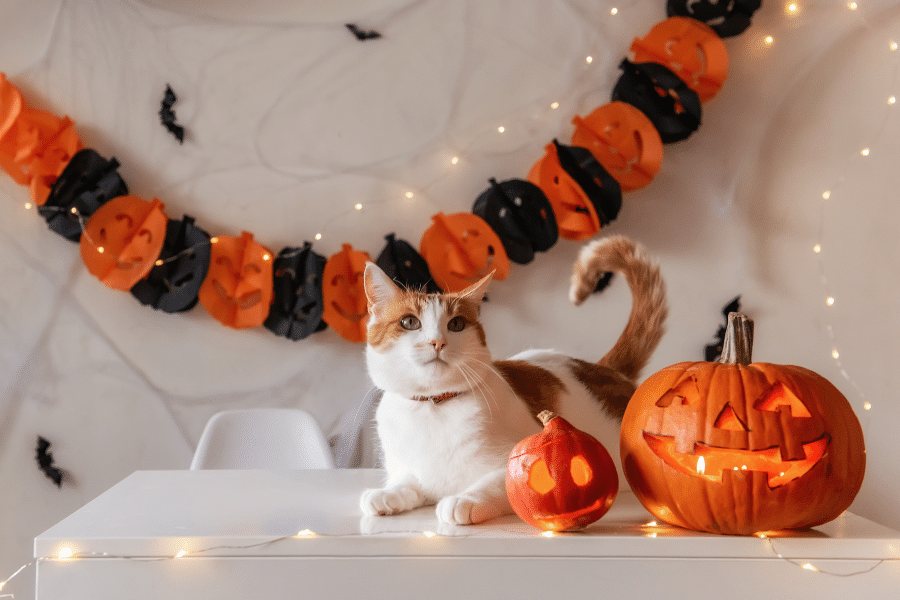
For many households, Halloween means repeated doorbell rings, people in costumes, excited children, and a front door that opens far more often than usual. While this can be fun for people, it may feel overwhelming for dogs and cats. A dog may bark at every visitor, pace near the entrance, or try to rush outside. A cat may hide under furniture or become unsettled by unfamiliar sounds. Halloween doorbell anxiety in pets can lead to stress, unwanted behavior, and even escape risks when doors are repeatedly opened. Parkville Animal Hospital in Baltimore, MD, encourages pet owners to prepare a calm, secure space and plan how to manage visitors before the evening begins.
Why Does the Doorbell Make Some Pets Anxious on Halloween?
The doorbell can trigger excitement, fear, or protective behavior because it signals that someone unfamiliar is approaching. On Halloween, frequent ringing, loud voices, unusual costumes, and repeated door openings can make the experience more intense. Pets may bark, hide, pace, or attempt to escape because they feel overwhelmed or unsure.
Dogs often learn that the doorbell predicts visitors. Some respond by barking or running to the entrance, while others become frightened by unfamiliar people. Cats may retreat when they hear repeated noises or notice strangers moving around the home.
Common signs of doorbell-related stress include:
- Barking, growling, hissing, or repeated vocalizing.
- Pacing, trembling, panting, or restlessness.
- Hiding under beds or behind furniture.
- Flattened ears, a tucked tail, or a tense body.
- Scratching at doors or windows.
- Refusing treats or ignoring familiar cues.
- Trying to rush through an open door.
Not every bark or meow means a pet is anxious. Some animals are excited by visitors, while others feel threatened. Look at your pet’s whole body and behavior to understand whether they are coping comfortably.
A pet that is repeatedly exposed to a stressful situation may become more agitated as the evening continues. Forcing them to greet visitors or remain near the door can make the experience harder.
Planning ahead helps you reduce the noise and activity your pet must handle. Your pet does not need to meet trick-or-treaters or participate in every part of the celebration.
How Can I Prepare My Pet Before Halloween Visitors Arrive?
Preparing your home before the first doorbell ring can help your pet feel safer. Choose a quiet area away from the entrance, provide familiar bedding and water, and make sure your pet cannot reach an open door when visitors arrive. Start the setup before the evening becomes busy so your pet has time to settle.
Use this preparation checklist:
- Choose a quiet room: Pick a space away from the front door and main visitor traffic.
- Add familiar comforts: Provide your pet’s bed, favorite toys, water, and a familiar blanket.
- Close windows and secure doors: Reduce outside noise where practical and prevent escape.
- Set up a barrier: Use a closed door or suitable pet gate where appropriate to keep your pet away from the entrance.
- Prepare safe activities: Offer a familiar toy or food puzzle if your pet enjoys it and can use it safely.
- Tell household members the plan: Make sure everyone knows where the pet will stay and that the room should remain secure.
- Check identification: Ensure your pet’s identification details are current in case an unexpected escape occurs.
For cats, a familiar room with hiding places can help them feel more secure. Do not pull a cat out of a hiding spot to introduce them to guests. For dogs, a quiet space with a comfortable resting area may reduce the urge to rush to the door.
Some pets are comfortable with background music or steady household sounds, while others prefer quiet. Choose what your pet usually finds soothing rather than introducing a new sound or activity on Halloween night.
If your pet has a history of severe fear or reactive behavior around visitors, discuss a management plan with your veterinarian before the holiday. Avoid waiting until your pet is already highly distressed to decide what to do.
How Can I Manage Doorbell Rings and Frequent Visitors?
Reducing direct exposure to the doorbell and entrance can make Halloween more manageable for anxious pets. If practical, use a doorbell alternative, arrange treats outside before visitors arrive, or have another adult handle the door while you keep your pet settled. The goal is to prevent repeated surprises and reduce the chance of escape.
Consider these strategies:
- Reduce repeated ringing: If possible, place a sign asking visitors not to ring or knock loudly and use another way to signal their arrival.
- Keep your pet away from the entrance: Use a closed room or secure barrier rather than relying on verbal reminders.
- Open the door carefully: Check where your pet is before opening the door, even if they seemed settled moments earlier.
- Ask guests not to approach the pet: Visitors should avoid reaching into hiding places or trying to pet a frightened animal.
- Keep greetings optional: If your pet is relaxed and chooses to approach, allow a calm interaction without pressure.
- Reward calm behavior: If your pet can comfortably take treats, reward relaxed behavior away from the door.
Hypothetical example: A dog becomes increasingly agitated each time children ring the bell, barking and rushing toward the entrance. Before the next group arrives, the family moves the dog to a familiar room away from the front door and asks one adult to manage visitors. With fewer direct triggers and a secure space, the dog can rest without repeatedly confronting the noise and activity.
Avoid scolding your pet for barking, hiding, or showing fear. Punishment can add to the stress and may make the pet associate visitors with an even more unpleasant experience.
If the pet is too distressed to respond to familiar cues or accept a treat, create more distance from the trigger. Calm management is more helpful than trying to force the animal to settle near the door.
How Can I Keep My Pet From Escaping When the Door Opens?
Escape prevention is especially important on Halloween because the front door may open dozens of times. Even a normally reliable pet may bolt when startled by a loud noise, a costume, or an unfamiliar person. A secure room or barrier is safer than assuming your pet will stay in place.
Take these precautions:
- Keep pets in a closed room away from the entrance during busy periods.
- Check that windows, gates, and other exits are secure.
- Ask household members to confirm the pet’s location before opening the door.
- Do not allow children to manage the entrance while also supervising a pet.
- Keep dogs leashed if they must pass through a busy entryway.
- Make sure your pet wears suitable identification.
- Avoid leaving a pet unattended in a yard where noise or visitors could cause panic.
A pet gate can help in some homes, but it should not be the only protection if your pet can jump over it, push it aside, or slip through it. Use a secure closed door when needed.
If you have guests coming and going, explain the plan before they arrive. Ask them not to open the pet’s room or let the animal out without checking with you.
If your pet does escape, act quickly but avoid chasing in a way that may cause them to run farther. Ask another person to help, check nearby safe areas, and contact local animal services if your pet cannot be found. Having current identification information can help with reunification.
The safest approach is to prevent an escape before the evening begins rather than relying on quick reactions when the door opens.
What Should I Do If My Pet Becomes Very Anxious?
If your pet becomes anxious, reduce the source of stress and allow them to settle in a secure, quiet area. Do not force interaction with visitors, hold them near the door, or punish fearful behavior. If your pet remains highly distressed or reacts in a way that could injure someone, contact your veterinarian for guidance.
Signs that your pet may need more support include:
- Persistent panting, trembling, or pacing.
- Repeated attempts to escape or hide.
- Growling, snapping, or lunging when people approach.
- Refusal to settle even after moving away from the noise.
- Stress behaviors that continue after visitors have left.
- Self-injury from scratching, chewing, or trying to escape.
If a pet is growling, snapping, or lunging, do not attempt to force contact or punish the behavior. Increase distance, keep children and visitors away, and use a secure barrier if you can do so safely. These behaviors may signal that the animal feels threatened.
Some pets benefit from gradual behavior training before busy events. A veterinarian can help determine whether a behavior plan or additional support may be appropriate. Do not give human medication or use calming products without veterinary guidance, particularly if your pet has health conditions or takes other medication.
If your pet’s distress is severe, frequent, or affecting everyday life, ask your veterinarian about longer-term options. Halloween management can reduce immediate stress, while a tailored plan may help your pet cope better with visitors in the future.
How Can I Help My Pet Feel More Comfortable Around Visitors?
Not every pet needs to greet visitors. For some animals, the most comfortable choice is to rest in a separate room for the entire evening. Others may enjoy brief interactions if they can approach voluntarily and retreat whenever they want.
To support a calmer experience:
- Let your pet choose whether to approach a visitor.
- Ask guests to avoid sudden movements and loud greetings around animals.
- Give cats access to safe hiding places and elevated resting areas.
- Keep dogs at a comfortable distance from the entrance.
- Offer familiar activities your pet already enjoys.
- End interactions when your pet shows signs of discomfort.
- Avoid costumes or accessories if they add to your pet’s stress.
Children should be told not to chase pets, reach into hiding places, or hug an animal that is trying to move away. A frightened pet may scratch or bite if they feel trapped, even if they are normally gentle.
Keep food and candy out of reach during the gathering. Excited pets may investigate unattended snacks, wrappers, and decorations while people are distracted.
If your pet is relaxed and chooses to spend time with guests, supervise interactions closely. Never assume a pet will remain comfortable throughout the evening, particularly as noise and visitor numbers change.
The aim is not to make every pet love the doorbell. It is to help them feel secure, prevent escape, and avoid putting them in situations they cannot comfortably handle.
Conclusion
Frequent doorbell rings, unfamiliar costumes, and repeated visits can make Halloween stressful for dogs and cats. Prepare a quiet room, reduce direct exposure to the entrance, and make sure your pet cannot slip outside when the door opens. Watch for signs of anxiety, avoid forcing interactions, and seek veterinary guidance if your pet experiences severe or ongoing distress. Parkville Animal Hospital in Baltimore, MD, encourages pet owners to prioritize safety and comfort during busy holiday gatherings. With a little planning, your pet can enjoy a calmer evening away from the noise, while your family welcomes visitors without putting your animal at unnecessary risk.
Frequently Asked Questions
Q1: Why does my dog bark every time the doorbell rings?
A: The doorbell may trigger excitement, fear, or a learned response to visitors. Halloween can make this reaction stronger because people arrive more often and may look or sound unfamiliar. Keeping your dog away from the entrance and rewarding calm behavior can help reduce the immediate stress.
Q2: How can I calm my cat during Halloween visitors?
A: Give your cat a quiet room with familiar bedding, water, and safe hiding places. Keep visitors away from the room and let your cat decide whether to come out. Do not pull your cat from hiding or force interaction.
Q3: Should I let my anxious pet greet trick-or-treaters?
A: No, not if your pet is frightened, barking intensely, hiding, or trying to escape. Keep them in a secure, quiet area instead. Even a normally friendly pet may react differently when overwhelmed by noise and unfamiliar visitors.
Q4: Is it safe to leave my pet alone in a room during Halloween?
A: A secure, comfortable room can be a good option if your pet is accustomed to the space and has access to appropriate comforts and water. Make sure the room is safe and that your pet cannot escape or become tangled in objects. Check on your pet periodically without exposing them to unnecessary stress.
Q5: When should I ask a veterinarian for help with doorbell anxiety?
A: Seek veterinary guidance from Parkville Animal Hospital if your pet experiences severe fear, persistent distress, repeated escape attempts, or aggression around visitors. Your veterinarian can help assess possible causes and discuss appropriate behavior support. Do not give medication or calming products without professional advice.