8600 Harford Rd, Parkville, MD 21234

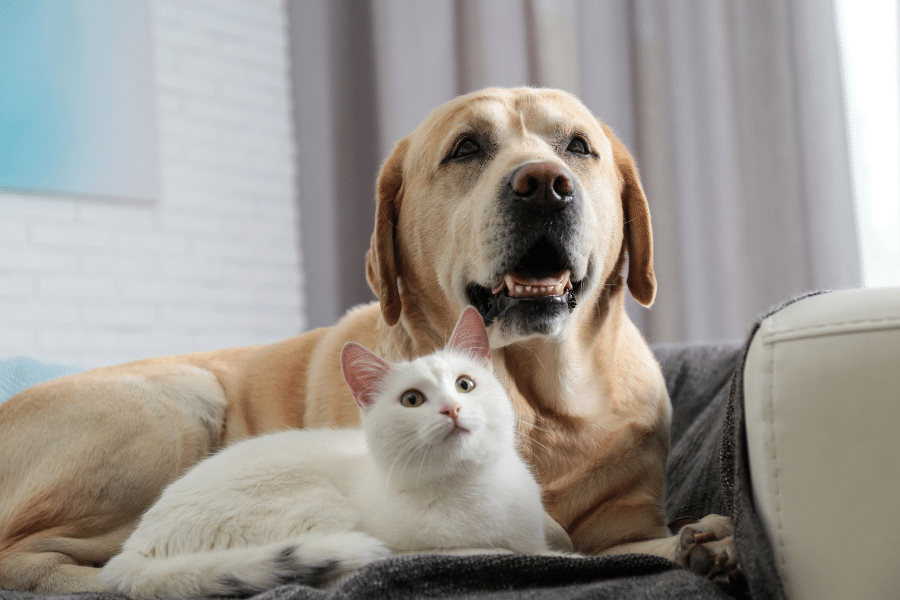
Dogs and cats need water every day to regulate body temperature, support digestion, and keep their organs working properly. When a pet loses more fluid than they take in, dehydration can develop. It may happen gradually in an older animal that drinks less than usual or more quickly after vomiting, diarrhea, or spending time in hot weather. Learning the signs of dehydration in dogs and cats can help you recognize a problem before it becomes more serious. At Parkville Animal Hospital in Baltimore, MD, pet owners can seek guidance when changes in drinking habits or behavior raise concerns. This guide explains what dehydration looks like, why it happens, how veterinarians assess it, and when your pet needs medical attention.
What Are the Signs of Dehydration in Dogs and Cats?
The most common signs of dehydration in dogs and cats include unusual tiredness, dry or sticky gums, reduced urination, and changes in drinking habits. More serious cases may cause weakness, sunken-looking eyes, or difficulty standing. These signs can vary between pets, and some animals may appear only mildly unwell at first.
Water supports blood circulation, digestion, temperature control, and many other body functions. When a pet loses too much fluid, these processes can become less effective. The severity depends on how much fluid has been lost, how quickly it happened, and whether an underlying illness is present.
Watch your pet for changes such as:
- Dry or sticky gums: Healthy gums are usually moist. Gums that feel unusually dry or tacky may be a warning sign.
- Low energy: Your pet may sleep more, seem less interested in play, or appear weak.
- Changes in urination: Your pet may urinate less often or produce smaller amounts of urine.
- Reduced appetite: A dehydrated pet may show less interest in food.
- Sunken-looking eyes: This can occur with more significant fluid loss, but it is not a reliable early test on its own.
- Panting or unusual breathing: Heavy panting can occur with heat or stress and may contribute to fluid loss. Difficulty breathing requires prompt veterinary care.
- Vomiting or diarrhea: These problems can cause fluid loss and may also signal the illness responsible for dehydration.
No single sign can confirm dehydration. A pet may have dry gums for reasons other than fluid loss, while an animal with early dehydration may not show obvious changes. If your pet seems unwell, has repeated vomiting or diarrhea, or is suddenly drinking or urinating much less, contact a veterinarian.
Severe weakness, collapse, confusion, or suspected heatstroke needs urgent veterinary attention. Do not wait for every symptom to appear before seeking help.
What Causes Dehydration in Dogs and Cats?
Dehydration occurs when a pet loses more fluid than they replace. Sometimes the cause is simple, such as limited access to fresh water. In other cases, dehydration develops because an illness affects drinking, digestion, urination, or the body’s ability to retain fluid.
Common causes include:
- Vomiting and diarrhea: Fluid can be lost quickly through the digestive tract, particularly when symptoms happen repeatedly.
- Hot weather: Warm conditions, exercise, and heavy panting can increase fluid loss, especially in dogs.
- Reduced water intake: A pet may drink less because the water bowl is empty, dirty, difficult to reach, or in an unfamiliar location.
- Pain or illness: Dental pain, nausea, weakness, or other health problems can make drinking less appealing.
- Kidney disease: Some kidney conditions affect how well the body conserves water and may lead to increased urination.
- Diabetes: Certain forms of diabetes can cause increased thirst and urination, which may contribute to dehydration if fluid intake does not keep up.
- Other medical conditions: Fever and some illnesses can increase fluid needs or reduce a pet’s ability to drink normally.
Why the cause matters
A pet that becomes thirsty after a long walk may need rest and access to water. However, a dog or cat that repeatedly vomits, refuses water, or urinates much more than usual may have a medical problem that needs treatment.
For example, a cat with kidney disease may drink more often but still lose too much water through urine. A dog with diarrhea may lose fluid faster than it can replace it by drinking. In both cases, simply putting out another bowl of water may not solve the underlying issue.
Pay attention to changes that continue over several days, especially when they involve thirst, urination, weight, or appetite. These patterns can provide useful information during a veterinary examination.
Never assume that a pet is dehydrated only because they are not drinking while you are watching. Some animals drink when the house is quiet, and others may get some moisture from wet food. Instead, consider the overall pattern, your pet’s behavior, and any signs of illness.
Do Dehydration Symptoms Differ Between Dogs and Cats?
Dogs and cats can develop similar symptoms, but their habits and daily routines may make dehydration harder to spot in one animal than another. Dogs often pant during exercise or in warm weather, while cats may hide when they feel unwell. These differences can affect how quickly owners notice a problem.
Dehydration in dogs
Dogs may lose more fluid during exercise, warm weather, or episodes of vomiting and diarrhea. Heavy panting can occur after activity, but panting that continues at rest, especially with weakness or distress, should not be ignored.
Watch for a dog that:
- Seems unusually tired after normal activity.
- Has dry or sticky gums.
- Drinks very little despite having access to fresh water.
- Vomits or has diarrhea repeatedly.
- Produces less urine than usual.
- Appears weak, disoriented, or unable to settle comfortably.
If your dog has been outdoors in hot weather and develops heavy panting, drooling, vomiting, weakness, or confusion, heat-related illness may be involved. Move the dog away from the heat and seek urgent veterinary guidance. Do not delay care while trying home treatments.
Dehydration in cats
Cats often have a lower visible water intake than dogs, especially when their diet includes wet food. This does not automatically mean they are dehydrated. However, a cat that stops eating or drinking, hides more than usual, or develops vomiting or diarrhea may need prompt assessment.
Look for changes such as:
- Less interest in the water bowl.
- Unusual hiding or reduced activity.
- Dry or sticky gums.
- Reduced urine output or noticeably different litter box habits.
- Vomiting, diarrhea, or reduced appetite.
- Increased thirst paired with more frequent urination.
Cats can also have health conditions that cause increased water loss, including kidney disease and diabetes. If a cat begins drinking much more than usual, arrange a veterinary appointment rather than assuming extra thirst is harmless.
For both species, age and existing health problems matter. Puppies, kittens, senior pets, and animals with ongoing medical conditions may need closer attention when they become ill or stop drinking normally.
How Can You Check Whether Your Pet May Be Dehydrated?
You can observe a few changes at home, but no simple home test can reliably determine how dehydrated a pet is. A veterinarian considers several findings together, including the pet’s behavior, physical examination, medical history, and sometimes laboratory results.
Look at your pet’s gums
If your pet allows you to do so safely, gently lift the lip and look at the gums. They are usually moist. Dry or sticky gums can be a warning sign, but gum moisture alone cannot confirm or rule out dehydration.
Gum color also matters. Pale, white, blue, gray, or unusually dark red gums may indicate a serious problem and should prompt immediate veterinary advice.
Observe drinking and urination
Keep track of whether your pet is drinking less or more than usual. Note changes in urine frequency, amount, or litter box habits. These details can help your veterinarian understand whether fluid intake or fluid loss may be affected.
If you have multiple pets sharing water bowls, it may be difficult to tell how much each animal drinks. Try observing individual drinking habits or offering separate bowls when practical.
Be cautious with the skin-pinch test
You may have heard that gently lifting the skin over a pet’s shoulders can reveal dehydration. In some animals, skin may return to its normal position more slowly when fluid levels are low. However, this test is unreliable, especially in older pets, very young animals, and animals with certain body types or skin changes.
Do not rely on the skin test to decide whether your pet needs care. A pet may be dehydrated even when the skin appears to return to normal quickly.
Record symptoms and recent events
Before calling your veterinarian, note:
- When your pet last ate and drank normally.
- Whether vomiting or diarrhea has occurred.
- Any recent exercise or exposure to hot weather.
- Changes in urination.
- Current medications and known health conditions.
- Any possible exposure to a toxin or unusual substance.
These details help the veterinary team assess how quickly your pet may need to be seen. If your pet is weak, collapsing, struggling to breathe, or showing signs of heatstroke, seek urgent care rather than spending time gathering information.
How Do Veterinarians Diagnose and Treat Dehydration?
Veterinarians assess dehydration by examining your pet and looking for signs of fluid loss, poor circulation, and the illness that may have caused the problem. Treatment depends on how severe the dehydration is, whether your pet can drink safely, and whether an underlying condition needs attention.
During the examination, the veterinarian may check your pet’s gums, heart rate, circulation, body temperature, and general responsiveness. They may ask about drinking, urination, recent illness, diet, and medication. Blood and urine tests may be recommended when the cause is unclear or when a condition affecting the kidneys, blood sugar, or body chemistry is suspected.
Treatment options
Treatment may include:
- Oral fluids: A veterinarian may recommend allowing a stable pet to drink if the animal can swallow normally and is not repeatedly vomiting.
- Fluids under the skin: In selected cases, fluids may be given beneath the skin when the veterinarian determines this is appropriate.
- Intravenous fluids: More serious dehydration may require fluids delivered into a vein, often with close monitoring.
- Treatment of the underlying cause: Vomiting, diarrhea, kidney disease, or another illness may need specific care.
- Follow-up checks: Some pets need repeat examinations or laboratory tests to make sure they are recovering.
Do not attempt to give fluids by syringe to a weak, struggling, or vomiting pet unless a veterinarian has specifically instructed you how to do so. Giving fluid incorrectly can cause choking or aspiration, meaning fluid enters the airway.
Hypothetical case example
A senior cat begins eating less, spends more time hiding, and visits the litter box less often. The owner notices that the cat’s gums seem sticky and contacts the veterinary clinic. During the examination, the veterinarian finds signs that may indicate dehydration and recommends testing to investigate the cause. The results help guide treatment and determine whether an underlying health problem is affecting the cat’s fluid balance.
This hypothetical example shows why it is important to look beyond the visible signs. Dehydration can be a result of another illness, so replacing fluid alone may not address the full problem.
How Can You Help Prevent Dehydration at Home?
Making fresh water easy to access is one of the simplest ways to support your pet’s hydration. However, prevention also means watching for health changes that increase fluid loss or make drinking difficult.
Try these practical steps:
- Provide fresh water every day. Clean the bowl regularly and refill it whenever needed.
- Offer more than one water station. Multiple bowls can help pets who spend time in different rooms or have difficulty reaching a single location.
- Consider your pet’s preferences. Some cats prefer wide bowls, while others enjoy a pet water fountain. Keep the setup clean and watch whether your pet uses it.
- Offer suitable wet food when appropriate. Wet food contains more moisture than dry food, but any diet change should suit your pet’s health and nutritional needs.
- Plan for warm weather. Provide shade, avoid strenuous activity during the hottest part of the day, and keep water available during outings.
- Monitor illness closely. Vomiting, diarrhea, reduced appetite, and changes in drinking should not be ignored, especially in young, older, or medically fragile pets.
- Make water accessible. Use bowls that your pet can reach comfortably, especially if joint pain or mobility problems make movement difficult.
Never force your pet to drink large amounts of water. If your pet is vomiting, very weak, or reluctant to swallow, seek veterinary advice about the safest next step.
Also, do not assume that excessive drinking is always a good sign. A pet that suddenly drinks much more than usual may be losing too much water through urine or experiencing another medical problem. Record the change and arrange a veterinary assessment.
When Should You Contact a Veterinarian About Dehydration?
Contact a veterinarian if your pet has persistent changes in drinking or urination, repeated vomiting or diarrhea, reduced appetite, or unusual tiredness. These signs can have many causes, and an examination can help determine whether dehydration or another condition is present.
Seek veterinary care if your pet has:
- Collapse or severe weakness.
- Confusion or difficulty responding normally.
- Repeated vomiting with an inability to keep water down.
- A painful or swollen abdomen.
- Pale, blue, or gray gums.
- Signs of heatstroke, such as heavy panting with weakness or confusion.
- Suspected poisoning or another serious exposure.
Do not wait for severe signs to develop if your pet is already becoming weaker or symptoms are getting worse. Young animals, senior pets, and pets with kidney or other chronic health problems may need earlier assessment.
If you are unsure whether the situation is serious, call the veterinary clinic and describe what you are seeing. Explain when the symptoms began, whether your pet can drink, and whether vomiting, diarrhea, or changes in urination are present. The veterinary team can help you determine the appropriate timing for an examination.
Parkville Animal Hospital can help you discuss changes in your pet’s drinking habits and signs of illness. Prompt attention is especially important when fluid loss may be continuing or an underlying condition could be affecting your pet’s health.
Conclusion
Dehydration can develop when dogs and cats lose more fluid than they replace. Dry or sticky gums, low energy, reduced urination, vomiting, and diarrhea are useful warning signs, but no single symptom can confirm the problem. Keep fresh water available, watch for changes in your pet’s normal habits, and take repeated illness seriously. Severe weakness, collapse, or suspected heatstroke requires urgent veterinary attention.
If you notice concerning changes, Parkville Animal Hospital in Baltimore, MD, can help you understand the next steps. Contact your veterinarian early when symptoms appear, especially if your pet is young, older, or has an existing health condition. Acting promptly can help identify the cause and support safer recovery.
FAQs
Q1: What are the first signs of dehydration in dogs and cats?
A: Early signs may include dry or sticky gums, reduced energy, lower water intake, and changes in urination. Vomiting, diarrhea, or poor appetite can also occur. These signs are not specific to dehydration, so contact a veterinarian if your pet seems unwell.
Q2: Can a dog or cat become dehydrated overnight?
A: Yes, dehydration can develop quickly when a pet loses fluid through repeated vomiting or diarrhea, especially if they are not drinking. The speed depends on the cause, the amount of fluid lost, and the pet’s age and health. Seek veterinary advice if symptoms develop suddenly.
Q3: How can I help a dehydrated pet at home?
A: Make fresh water available, keep your pet comfortable, and contact a veterinarian for guidance. Do not force water into your pet’s mouth, particularly if they are weak or vomiting. Significant dehydration may require veterinary fluid treatment.
Q4: When should I take my pet to the vet for dehydration?
A: Contact a veterinarian for repeated vomiting or diarrhea, reduced drinking, unusual tiredness, or changes in urination. Seek urgent care for collapse, severe weakness, confusion, breathing difficulty, or suspected heatstroke.
Q5: Can dehydration be a sign of another health problem?
A: Yes. Kidney disease, diabetes, digestive illness, and other conditions can contribute to dehydration or cause similar symptoms. Parkville Animal Hospital can examine your pet and recommend testing when needed to help identify the underlying cause.