8600 Harford Rd, Parkville, MD 21234


Your pet may look healthy while an underlying problem is beginning to develop. That is one reason routine wellness visits can be so valuable. Pet diagnostic tests can reveal changes that are difficult to detect from appearance or behavior alone, giving your veterinarian additional information about organ function, infection, hydration, and other health concerns. At Parkville Animal Hospital in Baltimore, MD, testing is selected based on your pet’s age, history, risk factors, and physical examination. Not every pet needs every test at every visit. Understanding six common diagnostic tools can help you have a more informed conversation with your veterinarian about your pet’s yearly wellness care.
What Pet Diagnostic Tests May Be Recommended During Yearly Wellness?
Common pet diagnostic tests include blood work, urine testing, fecal testing, blood pressure measurement, imaging, and parasite screening. The appropriate combination depends on your pet’s individual needs.
Testing can sometimes identify changes before obvious symptoms appear. It can also provide a baseline that helps your veterinarian recognize meaningful changes during future visits.
| Test | What it can help evaluate |
| Complete blood count | Red cells, white cells, platelets |
| Blood chemistry | Organ function and metabolic changes |
| Urinalysis | Kidney and urinary health |
| Fecal testing | Intestinal parasites and digestive concerns |
| Blood pressure | Circulatory health |
| Diagnostic imaging | Internal organs and structural changes |
These tests answer different questions, so they are often used together rather than as substitutes for one another.
1. Complete Blood Count
A complete blood count, or CBC, evaluates different blood cell types. Red blood cells provide information related to oxygen-carrying capacity, while white blood cells can provide clues about inflammation or infection. Platelets play an important role in blood clotting.
A CBC can be particularly useful when a pet has changes in energy, appetite, weight, or other symptoms that are not explained by the physical examination alone.
2. Blood Chemistry Testing
Blood chemistry testing evaluates substances in the bloodstream that can provide information about organ function and metabolism. Depending on the panel, it may help assess the liver, kidneys, blood sugar, electrolytes, and other body systems.
For older pets, routine blood chemistry can be especially useful for establishing a baseline. If a value changes later, having previous results gives the veterinarian something meaningful to compare.
3. Urinalysis
Urine can reveal important information that blood testing does not provide. A urinalysis may assess urine concentration, blood, protein, glucose, cells, and other findings.
This test can support evaluation of kidney function and urinary problems. It may also help identify changes that deserve additional testing.
4. Fecal Testing
Fecal testing examines a stool sample for evidence of intestinal parasites and other abnormalities. Parasites can sometimes be present without obvious symptoms, particularly early in an infection.
Bring a fresh sample when your veterinary office requests one, following the clinic’s instructions for collection and storage.
5. Blood Pressure Measurement
High blood pressure can occur with certain underlying medical conditions, particularly in older pets. Because pets do not develop the same obvious symptoms humans associate with high blood pressure, measurement can be an important part of evaluating overall health in appropriate patients.
A blood pressure reading is quick and generally does not require a complicated procedure.
6. Diagnostic Imaging
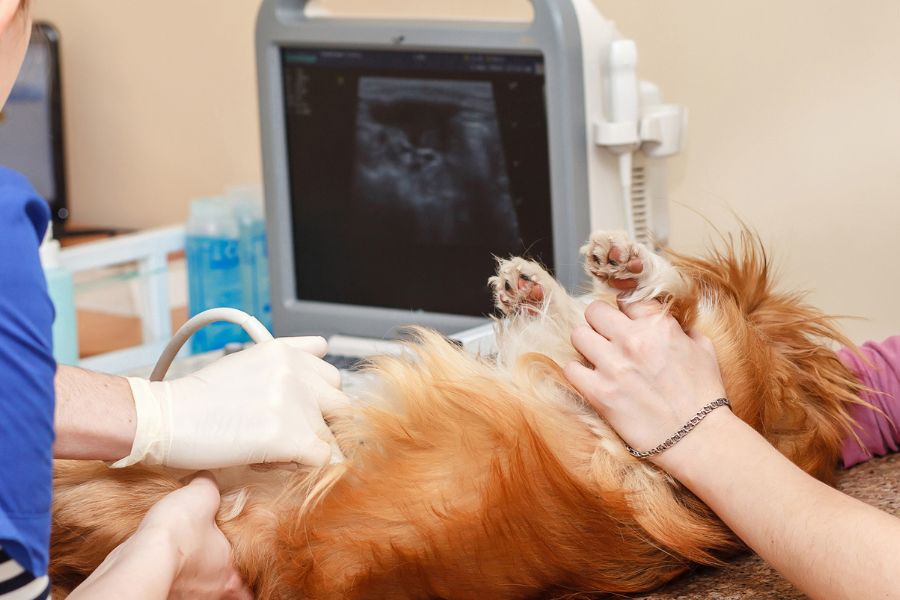
Imaging can provide a look at structures inside your pet’s body. Depending on the concern, a veterinarian may recommend radiographs or ultrasound to evaluate organs, the digestive tract, the urinary system, or other areas.
Hypothetical case: A senior dog appeared bright and comfortable during a routine wellness visit, but blood work showed a subtle change that prompted additional urine testing. The veterinarian found early evidence of a urinary problem and recommended follow-up care before the dog developed more noticeable symptoms.
How Do Vets Decide Which Tests Your Pet Needs?
Not every pet requires the same testing. A young, healthy animal may need a different approach from a senior pet or an animal taking long-term medication.
Your veterinarian considers:
- Age and life stage
- Breed-related risks
- Previous medical history
- Current medications
- Physical examination findings
- Changes in appetite, weight, drinking, or urination
- Previous test results
The goal is not simply to order more tests. It is to choose testing that answers useful clinical questions.
How Can Diagnostic Testing Support Yearly Wellness?
Routine testing creates a health baseline. Comparing results over time can help a veterinarian identify gradual changes that may otherwise be overlooked.
For example, a pet whose kidney-related values have remained stable for years may show a meaningful shift on a later panel. That change does not automatically mean disease, but it can tell the veterinarian that closer evaluation is appropriate.
When Should Diagnostic Testing Happen Outside a Yearly Visit?
Yearly wellness testing is not a substitute for diagnostic evaluation when your pet becomes sick. New symptoms should be assessed based on their severity and duration.
Contact your veterinarian if you notice:
- Unexplained weight loss
- Increased thirst or urination
- Repeated vomiting or diarrhea
- Persistent coughing
- Major appetite changes
- Unusual fatigue
- Changes in urination
- New lumps or swelling
Prompt testing can help distinguish a temporary problem from a condition requiring treatment.
Conclusion
Pet diagnostic tests give veterinarians information that cannot always be obtained from a physical examination alone. Blood work, urine testing, fecal testing, blood pressure measurement, and imaging can each provide different pieces of your pet’s health picture. Parkville Animal Hospital in Baltimore, MD, can help determine which tests are appropriate based on your pet’s age, history, examination, and individual risk factors. Regular wellness care also creates useful health records, making it easier to recognize meaningful changes over time. If your pet develops new symptoms between yearly visits, contact your veterinarian rather than waiting for the next routine appointment.
FAQs
Q1: What are the most common pet diagnostic tests?
A: Common tests include a complete blood count, blood chemistry, urinalysis, fecal testing, blood pressure measurement, and diagnostic imaging. Your veterinarian selects tests based on your pet’s individual needs.
Q2: Does my healthy pet really need diagnostic testing?
A: Some healthy-appearing pets may benefit from routine testing because certain conditions cause few visible symptoms early on. Testing can also establish a baseline for future comparison.
Q3: How long does pet diagnostic testing take?
A: Timing varies by test. Some measurements can be performed quickly during an appointment, while certain laboratory tests or imaging studies may require additional processing or scheduling.
Q4: Are pet diagnostic tests expensive?
A: Costs vary depending on the type and number of tests performed. Your veterinary team can explain which tests are recommended and provide cost information before proceeding.
Q5: When does my pet need diagnostic testing right away?
A: Sudden weakness, repeated vomiting, difficulty breathing, collapse, severe pain, inability to urinate, or other major changes may require prompt diagnostic evaluation. Contact a veterinarian rather than waiting for a routine wellness appointment.