8600 Harford Rd, Parkville, MD 21234

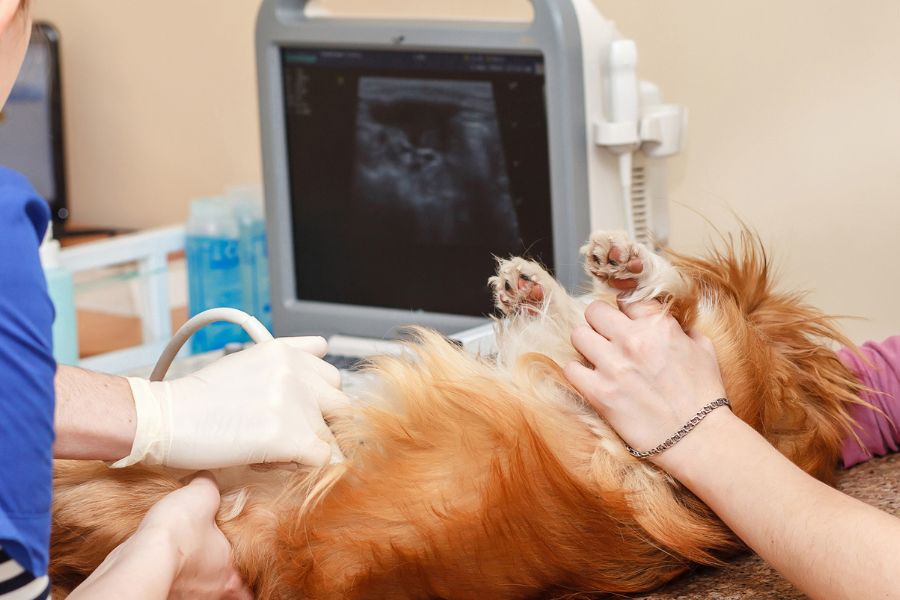
A healthy life for pets depends on more than food, exercise, and affection. Early detection of hidden issues plays a major role in preventing serious conditions and supporting long-term wellness. Pet diagnostic care helps identify concerns before they become difficult to manage.
It supports better treatment decisions and improves quality of life at every stage. Many pet owners overlook routine testing until symptoms appear. That delay can lead to complications that could have been avoided.
Regular checkups create a clear picture of your pet’s internal health and provide peace of mind. If you live in Baltimore, access to reliable pet care services makes it easier to stay consistent with these essential screenings.
What Is Diagnostic Care for Pets?
Diagnostic care includes routine tests and evaluations that assess internal health. These may involve blood work, imaging, and physical assessments. The goal is to detect abnormalities early. Many conditions develop silently, showing no visible signs at first. These tests help uncover those hidden issues.
Pets age faster than humans. A year can bring noticeable changes in their bodies. Regular testing ensures these changes are tracked carefully. This allows for timely adjustments in care routines.
Why Early Detection Matters
Silent Conditions Can Progress Quickly
Many illnesses develop without clear symptoms. Kidney issues, infections, and metabolic concerns may go unnoticed. By the time signs appear, the condition may already be advanced. Early testing reduces this risk.
Better Treatment Outcomes
When conditions are detected early, treatment options are often simpler and more effective. This reduces stress for both pets and owners. It also lowers long-term costs.
Monitoring Ongoing Health
Routine testing helps track existing conditions. It ensures treatments remain effective. Adjustments can be made before complications arise.
Common Diagnostic Tests and Their Role
Blood Tests
Blood work evaluates organ function and detects infections. It provides a detailed overview of internal health.
Imaging Techniques
X-rays and ultrasounds help visualize internal structures. They are useful for identifying injuries or growths.
Urine Analysis
This test helps detect urinary infections and kidney concerns. It also provides insight into hydration levels.
Physical Exams
Routine exams remain essential. They help identify visible changes such as weight fluctuations or skin issues.
Signs Your Pet May Need Immediate Testing
Pets often hide discomfort. Recognizing subtle changes is important. Look for reduced appetite, unusual behavior, or sudden weight changes. Changes in energy levels may also indicate underlying issues.
Digestive problems, such as vomiting or diarrhea, should not be ignored. Breathing difficulties or persistent coughing require attention. Early evaluation helps prevent worsening conditions.
How Often Should Pets Be Tested?
Testing frequency depends on age, lifestyle, and health history. Young pets may need fewer tests. Older pets benefit from more frequent monitoring.
Annual checkups work for many pets. Senior pets may require testing every six months. Pets with existing conditions need more regular evaluations.
Consistency matters more than frequency alone. Regular schedules ensure changes are detected early.
Local Considerations for Pet Owners
Baltimore’s climate and environment can influence pet health. Seasonal allergies, parasites, and temperature changes affect pets differently. Regular testing helps address these local challenges.
Urban settings may expose pets to pollutants. Outdoor pets face additional risks. Pet diagnostic care helps monitor these factors effectively.
Pet owners in busy areas may find it difficult to notice subtle changes. Routine testing provides reassurance and clarity.
Emotional Benefits for Pet Owners
Knowing your pet is healthy reduces anxiety. Regular testing provides confidence in your care routine. It allows you to focus on enjoying time with your pet.
Unexpected health issues can be overwhelming. Early detection minimizes surprises. It creates a sense of control and preparedness.
Cost Considerations and Long-Term Savings
Some pet owners hesitate due to cost concerns. Routine testing may seem like an added expense. However, at Parkville Animal Hospital, this approach is seen as a way to help prevent more costly treatments later.
Managing advanced conditions often requires more resources, while early detection reduces the need for intensive care and supports both financial and emotional well-being.
Common Misconceptions
“My Pet Looks Fine, So Testing Isn’t Needed”
Many conditions do not show visible signs early. Testing ensures hidden issues are identified.
“Testing Is Only for Older Pets”
Young pets also benefit from routine checks. Early monitoring establishes a health baseline.
“It’s Too Expensive”
Preventive testing often saves money in the long run. It reduces the risk of emergency treatments.
A proactive approach to pet health creates lasting benefits. Regular evaluations support early detection and better treatment outcomes. Pet diagnostic care plays a vital role in ensuring pets live longer, healthier lives. It provides clarity, reduces risks, and strengthens the bond between pets and their owners.
A proactive approach ensures pets receive consistent care. Work with a trusted clinic to create a personalized plan. This plan should include regular checkups and testing schedules.
If you’re located in Baltimore and looking for trusted veterinary care near you, then schedule an appointment with Parkville Animal Hospital. Our team takes a detailed and thoughtful approach to identifying health concerns, guiding you through the next steps, and creating a care plan focused on helping your pet feel better and stay healthy.
FAQs
Q1. What does pet diagnostic care include?
Ans: It includes routine tests like blood work, imaging, and physical exams. These help detect hidden health issues early and monitor overall well-being throughout your pet’s life.
Q2. How often should my pet undergo testing?
Ans: Most pets benefit from annual testing. Older pets or those with health conditions may require more frequent evaluations to ensure early detection and proper management.
Q3. Are diagnostic tests safe for pets?
Ans: Yes, most tests are minimally invasive and safe. They are designed to provide accurate health insights without causing discomfort or stress to your pet.
Q4. Can testing prevent serious illnesses?
Ans: Testing helps detect conditions early. Early detection allows timely treatment, which can prevent complications and improve long-term outcomes for many health issues.
Q5. What signs indicate my pet needs immediate testing?
Ans: Look for changes in appetite, energy levels, or behavior. Persistent vomiting, weight loss, or breathing issues also require prompt evaluation.
Q6. Is diagnostic care necessary for young pets?
Ans: Yes, it helps establish a health baseline. Early monitoring ensures any changes are identified quickly, supporting lifelong wellness and preventive care.