8600 Harford Rd, Parkville, MD 21234
Have you noticed your pet gaining weight despite eating the same amount, losing weight while acting hungry, or becoming less active than usual? These changes can happen for many reasons, but sometimes the thyroid gland is involved. This small gland helps control how the body uses energy, and problems with its function can affect weight, appetite, behavior, skin, and other parts of health. A thyroid test for pets can help a veterinarian investigate these changes and decide whether further testing or treatment is needed. At Parkville Animal Hospital in Baltimore, MD, pet owners can discuss unusual symptoms and learn why blood testing may be recommended. Understanding what the thyroid does and what test results mean can make the process less confusing.
Why Might Your Veterinarian Recommend a Thyroid Test for Your Pet?
A veterinarian may recommend a thyroid test when your pet has unexplained weight changes, shifts in appetite or energy, skin and coat problems, or other signs that could be linked to thyroid disease. Testing may also be suggested when an examination or other laboratory results raise concern about how the thyroid gland is working.
The thyroid gland produces hormones that help regulate metabolism, which is the way the body uses energy. When hormone levels are too low or too high, several body systems can be affected. The symptoms are not always obvious, and they can overlap with signs of other illnesses.
A veterinarian in Baltimore may consider testing if your pet has:
- Unexplained weight gain or weight loss.
- Changes in appetite or thirst.
- Low energy or unusual restlessness.
- Changes in skin or coat condition.
- Increased urination or other changes in normal habits.
- Changes in heart rate or behavior.
- Laboratory results that suggest a possible hormone problem.
Thyroid disease does not affect dogs and cats in exactly the same way. Hypothyroidism, which means the thyroid produces too little hormone, is more commonly diagnosed in dogs. Hyperthyroidism, which means the body has too much thyroid hormone, is more common in cats, especially middle-aged and older cats.
These conditions require different approaches to diagnosis and treatment. A veterinarian will consider your pet’s species, age, symptoms, physical examination, and medical history before deciding which tests are appropriate. A thyroid test does not automatically mean your pet has thyroid disease. It is one part of a broader assessment that helps guide the next step.
What Does the Thyroid Gland Do in Dogs and Cats?
The thyroid gland is located in the neck and produces hormones that help regulate the body’s use of energy. These hormones influence metabolism, temperature regulation, heart function, digestion, and other important processes.
When thyroid hormone levels stay within a suitable range, they help the body carry out these functions normally. When levels are too low or too high, the effects can appear in many different ways.
What happens when thyroid hormone levels are too low?
With hypothyroidism, the body does not have enough thyroid hormone to maintain normal metabolic activity. Affected dogs may gain weight, become less active, or develop changes in their skin and coat. Some may seem less interested in exercise or become less tolerant of cold conditions.
These signs often develop gradually. Owners may assume their dog is simply getting older or slowing down, especially when the changes happen over several months. However, ongoing changes deserve attention rather than being automatically blamed on age.
What happens when thyroid hormone levels are too high?
Hyperthyroidism is most often seen in cats. Too much thyroid hormone can make the body work faster than normal. Affected cats may lose weight despite having a strong appetite, become restless, or drink and urinate more often.
Some cats may vomit, have diarrhea, or develop changes in their coat. The condition can also affect the heart and blood pressure, so an examination is important when these signs appear.
Why symptoms alone are not enough
Thyroid-related signs can resemble those of other health problems. Weight loss may have digestive, kidney, or other causes, while weight gain can result from diet, activity level, or additional medical concerns. Skin changes can also occur for many reasons.
A veterinarian uses testing to help distinguish thyroid disease from other possibilities. The results must be interpreted in context because some illnesses and medications can affect thyroid hormone measurements. If the results do not clearly explain your pet’s symptoms, additional tests or repeat testing may be recommended.
What Are the Signs of Thyroid Problems in Dogs?
Thyroid problems in dogs most often involve low thyroid hormone levels. Symptoms can develop slowly, making them easy to overlook at first. Not every dog will show every sign, and some symptoms can be caused by conditions unrelated to the thyroid.
Common signs of hypothyroidism in dogs include:
- Weight gain: Your dog may gain weight without a clear increase in food intake.
- Reduced energy: Walks, play, or everyday activity may seem less appealing.
- Skin and coat changes: Hair may become thin, dry, or dull. Some dogs develop areas of hair loss.
- Repeated skin or ear problems: Certain dogs may experience recurring skin irritation or infections.
- Cold sensitivity: Your dog may seek warm places more often than before.
- Changes in movement: Some dogs seem stiff or less willing to exercise, although joint problems and other illnesses can cause similar signs.
- Behavior changes: A dog may seem less alert or less engaged with normal activities.
These changes are not proof of hypothyroidism. For example, weight gain can happen when a dog receives more calories than needed, while reduced activity may be linked to arthritis, pain, or another condition. A dull coat can also result from skin disease, parasites, allergies, or nutrition-related problems.
If several changes appear together or continue despite reasonable adjustments to diet and activity, arrange a veterinary examination. Your veterinarian may review your dog’s weight history, food intake, exercise routine, medications, and other symptoms before deciding whether a thyroid test is appropriate.
It is important not to start thyroid supplements or medication without veterinary advice. Treatment is based on the diagnosis, and giving medication to a dog that does not need it can cause harm.
What Are the Signs of Thyroid Problems in Cats?
Thyroid problems in cats commonly involve hyperthyroidism, which causes an excess of thyroid hormone. The condition is often seen in older cats and may develop gradually. Because cats can hide signs of illness, small changes in appetite, weight, or behavior can be important.
Possible signs include:
- Weight loss despite eating well: A cat may seem hungrier than usual but continue losing weight.
- Increased thirst and urination: Your cat may drink more often and leave larger or more frequent urine clumps in the litter box.
- Restlessness: A normally calm cat may pace, vocalize more, or seem unusually active.
- Vomiting or diarrhea: Digestive changes can occur, although they may also point to other conditions.
- Poor coat condition: Fur may look unkempt, greasy, or less healthy than before.
- Changes in appetite: Many affected cats eat more, but appetite can vary, especially when other illnesses are present.
- Changes in behavior: Your cat may seem irritable, anxious, or less settled than usual.
Some cats with hyperthyroidism develop high blood pressure or heart-related changes. A cat may also have kidney disease or another condition at the same time, which can make diagnosis more complicated.
Do not assume that a thin older cat is simply showing normal signs of aging. Weight loss, increased thirst, and changes in activity deserve a veterinary assessment. If your cat stops eating, becomes very weak, has difficulty breathing, or appears suddenly unwell, seek prompt veterinary care.
Testing can help determine whether the thyroid is involved and whether other health concerns need attention. Early evaluation also gives your veterinarian a clearer picture of your cat’s overall health before choosing a treatment plan.
What Happens During a Thyroid Test for Pets?
A thyroid test for pets often involves a blood sample that measures thyroid hormone levels. The exact test depends on the animal’s symptoms, species, medical history, and the question the veterinarian is trying to answer.
For dogs, a veterinarian may begin with a measurement of total thyroxine, often called total T4. If the result is low or does not fit the symptoms, additional tests may be needed. These may include free T4, thyroid-stimulating hormone, or other measurements selected by the veterinarian.
For cats suspected of having hyperthyroidism, a total T4 test is commonly used as an initial test. If symptoms strongly suggest the condition but the result is not conclusive, the veterinarian may recommend repeating the test or using additional assessments.
What should you expect at the appointment?
The process usually includes:
- Reviewing symptoms and medical history. The veterinarian asks about weight, appetite, energy, thirst, urination, skin changes, and current medications.
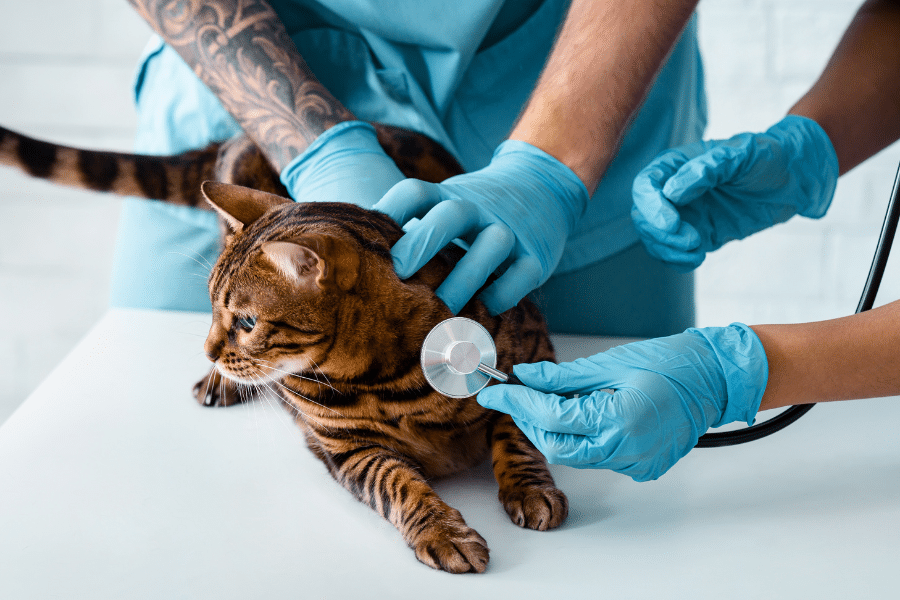
- Performing a physical examination. This may include checking body condition, skin and coat, heart rate, and other findings relevant to your pet.
- Collecting a blood sample. The sample is sent for the selected laboratory tests.
- Reviewing the results. The veterinarian compares the findings with your pet’s symptoms and other examination or laboratory information.
- Planning follow-up care. Depending on the results, your pet may need additional tests, treatment, or monitoring.
Whether your pet needs to fast before testing depends on the planned laboratory work and the clinic’s instructions. Ask the veterinary team how to prepare rather than changing your pet’s normal routine on your own.
Hypothetical case example
A middle-aged dog gradually gains weight, seems less interested in walks, and develops a thinner coat along its body. The owner initially assumes the changes are related to age, but the veterinarian notices that several symptoms could fit a hormone problem. Blood testing is recommended, and the results are considered alongside the dog’s examination and medical history. This hypothetical example shows how a thyroid test can help guide further evaluation instead of relying on symptoms alone.
Not every pet with similar signs will have thyroid disease. The purpose of testing is to gather evidence and help the veterinarian determine which explanation best fits the individual animal.
What Do Thyroid Test Results Mean?
Thyroid test results show whether hormone levels fall within the expected range for the test used. However, a result cannot always be interpreted on its own. Symptoms, age, other illnesses, medications, and the type of test can all affect what the findings mean.
Low thyroid hormone levels in dogs
A low thyroid hormone result may support a diagnosis of hypothyroidism when the dog also has compatible symptoms. However, some other illnesses and medications can lower thyroid hormone measurements without the dog having true hypothyroidism.
For this reason, a veterinarian may recommend additional testing rather than making a diagnosis from one low result. This helps reduce the risk of treating a dog for a condition it does not have.
High thyroid hormone levels in cats
A high total T4 level in a cat with compatible signs often supports hyperthyroidism. If the result is borderline or within the expected range despite strong suspicion, the veterinarian may suggest repeating the test or checking additional measurements.
The veterinarian may also recommend blood pressure checks or tests to assess kidney function and other aspects of health. This is important because thyroid disease can affect several body systems, and other conditions may be present at the same time.
What if the results are normal?
A normal thyroid result does not always explain why your pet is unwell. If symptoms continue, the veterinarian may investigate other causes or recommend repeat testing when appropriate.
Do not change medication or begin supplements based on an online interpretation of laboratory values. The meaning of a result depends on the specific test, reference range, and your pet’s clinical picture.
Ask your veterinarian to explain what the result suggests, whether additional tests are needed, and what signs to watch for at home. Understanding the plan can make follow-up care easier and help you know when to report a change.
How Are Thyroid Problems in Dogs and Cats Treated?
Treatment depends on which thyroid condition your pet has, how severe it is, and whether other health problems are present. Dogs with confirmed hypothyroidism are often treated with prescribed thyroid hormone replacement. Cats with hyperthyroidism may have several treatment options, depending on their health and the circumstances.
Treatment for hypothyroidism in dogs
Dogs with confirmed hypothyroidism are commonly given a prescribed thyroid hormone medication to replace what their bodies are not producing in sufficient amounts. The dose is chosen for the individual dog and adjusted based on follow-up examinations and laboratory results.
Improvements may happen gradually. Energy levels and other symptoms can begin to change over time, while skin and coat recovery may take longer. The veterinarian will explain what changes to expect and when to return for monitoring.
Do not adjust the dose or stop the medication without veterinary guidance. Too much or too little medication can affect how your dog feels and may lead to additional problems.
Treatment for hyperthyroidism in cats
Treatment options for cats may include medication, a special therapeutic diet in selected cases, radioactive iodine therapy, or surgery in certain circumstances. Each option has different requirements, benefits, and limitations.
The veterinarian will consider the cat’s overall health, kidney function, ability to take medication, and the availability of treatment options. Some approaches require ongoing monitoring, and the best choice may depend on the individual cat.
Why follow-up testing matters
Thyroid hormone levels may need to be checked after treatment begins or when the dose changes. These checks help the veterinarian determine whether treatment is working and whether adjustments are needed.
Keep track of changes in appetite, weight, thirst, urination, energy, and behavior. If your pet develops new symptoms or seems worse after treatment starts, contact the clinic rather than making changes yourself.
When Should You Ask Your Vet About a Thyroid Test?
Arrange a veterinary appointment if your pet has ongoing, unexplained changes in weight, appetite, energy, skin, coat, thirst, or urination. These symptoms can have many causes, but a thyroid test may be useful when the pattern fits a possible hormone problem.
It is especially important to investigate changes that continue or appear alongside one another. For example, a dog that gains weight and becomes less active may need an assessment of diet, movement, pain, and possible medical causes. A cat that loses weight while eating more may need testing for thyroid disease and other conditions.
Prepare for the appointment by noting when the changes began, how quickly they developed, and whether your pet’s food or routine has changed. Bring a list of current medications and any recent laboratory results if available.
Seek prompt care if your pet becomes very weak, stops eating, has difficulty breathing, collapses, or appears suddenly unwell. These signs should not wait for a routine thyroid appointment.
Parkville Animal Hospital can help you discuss your pet’s symptoms and whether thyroid testing or other diagnostic steps may be appropriate. A clear assessment can help identify the cause of the changes and guide a treatment plan suited to your pet’s needs.
Conclusion
Thyroid problems can affect a pet’s weight, appetite, energy, skin, coat, and everyday behavior. Dogs are more commonly affected by low thyroid hormone levels, while cats more often develop high thyroid hormone levels. Because these signs can overlap with other illnesses, a veterinarian may recommend blood testing to understand what is happening rather than relying on symptoms alone.
If you notice ongoing changes, Parkville Animal Hospital in Baltimore, MD, can help you determine whether your pet needs an examination or further testing. Share what you have observed, ask questions about the results, and follow the recommended monitoring plan. With an accurate diagnosis and appropriate care, many pets with thyroid conditions can continue to enjoy a comfortable daily life.
FAQs
Q1: What does a thyroid test check in dogs and cats?
A: A thyroid test measures hormone levels to help a veterinarian assess how the thyroid gland is functioning. The type of test depends on whether the veterinarian is investigating low or high thyroid activity and on your pet’s symptoms.
Q2: What are the signs of thyroid disease in pets?
A: Dogs with low thyroid activity may gain weight, become less active, or develop skin and coat changes. Cats with high thyroid activity may lose weight despite eating well, become restless, or drink and urinate more. These signs can also occur with other health conditions.
Q3: Does my pet need a blood test to diagnose thyroid disease?
A: Blood testing is commonly used to assess thyroid hormone levels, but the veterinarian may also recommend a physical examination and other laboratory tests. Results are interpreted alongside symptoms, medical history, and other findings.
Q4: How much does a thyroid test for pets cost, and how long does it take?
A: The cost depends on the type of test, whether additional laboratory work is needed, and the clinic’s fees. Ask the veterinary team for an estimate and when results are expected, as timing can vary by test and laboratory.
Q5: When should I ask my veterinarian about thyroid testing?
A: Arrange an appointment if your pet has ongoing unexplained weight changes, altered appetite, low energy, coat changes, or unusual thirst and urination. Parkville Animal Hospital can assess the symptoms and help determine whether thyroid testing is appropriate.